Handyman Services Side Hustle: General Repair Business
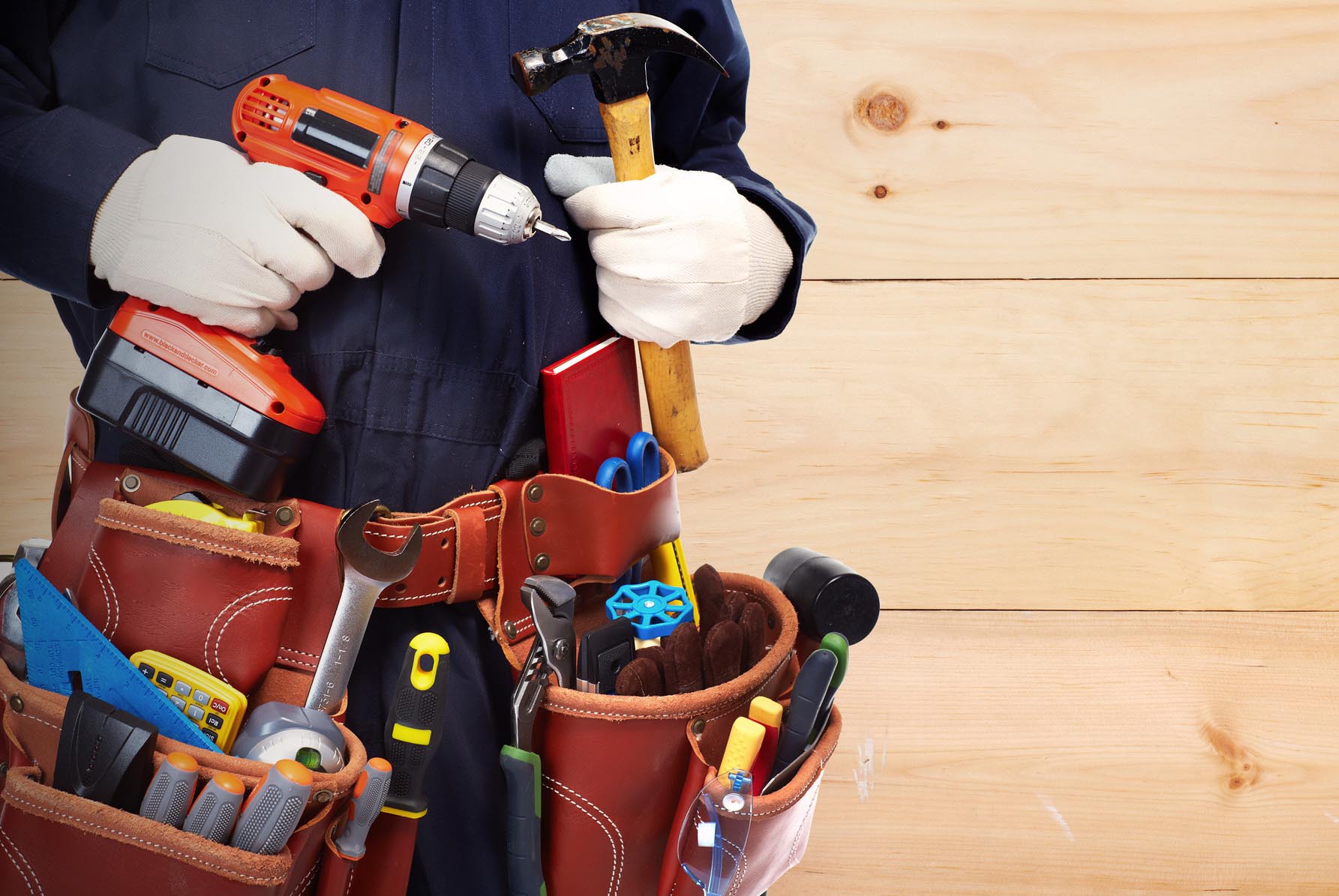
Ever feel like you could fix anything around the house? What if you could turn that knack for repairs into a thriving side hustle? Imagine being your own boss, setting your own hours, and getting paid to do what you're already good at. This isn't just a pipe dream; it's the reality of a handyman services side hustle!
It's frustrating when things break down. You're busy, and calling a professional can be expensive and inconvenient. Waiting for days for someone to show up, only to be hit with a hefty bill, adds insult to injury. You know youcouldprobably handle it yourself if you just had the time, the right tools, and maybe a little guidance.
This post explores how to start a handyman services side hustle, focusing on general repair businesses. We'll cover everything from identifying your skills and setting your rates to marketing your services and building a loyal customer base. Whether you're a seasoned DIYer or just starting out, this guide will provide the essential steps to transform your repair skills into a profitable venture.
In this guide, we explored how to launch a handyman side hustle by focusing on general home repairs. Key areas included skill assessment, pricing strategies, marketing tactics, and building a loyal customer base. This allows individuals with DIY skills to earn extra income, set their schedules, and be their own boss by providing a valuable service to their community. By following these steps, anyone can turn their aptitude for home repairs into a sustainable and rewarding business.
Getting Started: Assessing Your Skills
The first step in launching any business, especially a handyman service, is a candid assessment of your abilities. I remember when I first considered this, I thought, "Yeah, I can fix anything!" But after a little introspection, I realized my expertise was limited. I was great at drywall repair and painting, passable with minor plumbing issues, but electrical work? Absolutely not. It's vital to be honest with yourself (and your potential clients!) about what you can competently handle. This isn't about diminishing your abilities; it's about setting realistic expectations and avoiding projects that could lead to shoddy work or, worse, dangerous situations. Begin by making a comprehensive list of all the tasks you feel comfortable performing. Think about everything from fixing leaky faucets and repairing drywall to assembling furniture and installing light fixtures. Once you have your list, be realistic about the quality of your work. Are you just "okay," or are you truly skilled? Focus on your strengths when marketing your services. This builds confidence and sets you up for success. Remember, it's better to be known as the best drywall repair person in town than a jack-of-all-trades who does everything poorly. The broader your skillset, the more potential clients you can attract. However, specialization in specific areas, such as carpentry, plumbing, or electrical work, allows you to position yourself as an expert and command higher prices. Consider taking courses or workshops to expand your skills and build your confidence in new areas.
Pricing Your Services: Finding the Sweet Spot
Determining your pricing structure is a critical element of your handyman side hustle. Charge too much, and you'll scare away potential clients. Charge too little, and you'll undervalue your time and effort, making it difficult to sustain your business. The "sweet spot" is where you can make a fair profit while remaining competitive in your local market. There are several ways to price your services, each with its own advantages and disadvantages. Hourly rates are common, especially for smaller jobs or tasks where the scope is difficult to predict. Research the average hourly rates for handymen in your area to get a benchmark. Project-based pricing, also known as flat rates, involves quoting a fixed price for a specific task, such as installing a ceiling fan or replacing a toilet. This method provides certainty for both you and the client, but it requires accurate estimation of the time and materials involved. Be sure to factor in overhead costs, such as transportation, tools, and insurance, when determining your prices. Consider offering discounts for repeat customers or bundling services to increase your profitability. Remember to communicate your pricing clearly and transparently to avoid misunderstandings and build trust with your clients.
Marketing Your Handyman Business: Spreading the Word
No matter how skilled you are, your handyman side hustle won't thrive without effective marketing. Think of marketing as simply "spreading the word" about your services. In the early days, word-of-mouth referrals will be your best friend. Encourage satisfied customers to tell their friends and neighbors about your excellent work. Offer incentives, like a small discount on their next service, for referrals. Online marketing is also essential in today's digital age. Create a simple website or social media page showcasing your services, pricing, and contact information. Post before-and-after photos of your completed projects to demonstrate your skills. Consider using online advertising platforms like Google Ads or Facebook Ads to reach a wider audience in your local area. Participate in community events or join local networking groups to connect with potential clients. Don't underestimate the power of traditional marketing methods, such as flyers, business cards, and local newspaper ads. The key is to be consistent and persistent in your marketing efforts. Track your marketing results to see which strategies are most effective and adjust your approach accordingly.
Building a Loyal Customer Base: The Key to Long-Term Success
Attracting new clients is important, but retaining existing ones is even more crucial for the long-term success of your handyman side hustle. Building a loyal customer base provides a steady stream of income and reduces your reliance on constant marketing efforts. The key to building loyalty is providing exceptional customer service. This means being punctual, professional, and responsive to your clients' needs. Always communicate clearly and honestly about the scope of the work, the pricing, and the timeline. Go the extra mile to exceed your clients' expectations. Offer helpful advice, clean up thoroughly after the job is done, and follow up to ensure they are satisfied with your service. Request feedback from your clients to identify areas where you can improve. Implement a customer loyalty program to reward repeat customers with discounts or exclusive offers. Building relationships with your clients is essential. Remember their names, ask about their families, and show genuine interest in their needs. The more personal connection you create, the more likely they are to become loyal customers who will recommend you to their friends and neighbors.
Legal and Insurance Considerations
Before launching your handyman side hustle, it's important to address legal and insurance considerations to protect yourself and your business. Determine the legal structure of your business. Will you operate as a sole proprietorship, a limited liability company (LLC), or another type of entity? Each structure has different implications for liability, taxes, and administrative requirements. Obtain any necessary licenses and permits to operate a handyman business in your local area. Contact your city or county government to determine the specific requirements. Invest in liability insurance to protect yourself from financial losses in case of accidents, injuries, or property damage. Consider purchasing workers' compensation insurance if you plan to hire employees. Review your insurance policies regularly to ensure they adequately cover your business risks. Comply with all applicable tax laws and regulations. Keep accurate records of your income and expenses and file your taxes on time. Consult with an attorney or accountant to ensure you are in compliance with all legal and financial requirements.
Essential Tools and Equipment
Having the right tools and equipment is crucial for providing efficient and professional handyman services. Start with a basic set of hand tools, including a hammer, screwdrivers, pliers, wrenches, a tape measure, and a level. Invest in power tools such as a drill, a saw, and a sander. Gradually expand your tool collection as you take on more diverse projects. Consider purchasing specialized tools for specific tasks, such as plumbing, electrical work, or carpentry. Organize your tools in a toolbox or tool bag for easy transport and accessibility. Maintain your tools properly by cleaning them after each use and sharpening them regularly. Invest in safety equipment, such as safety glasses, gloves, and a dust mask, to protect yourself from injuries and hazards. A reliable vehicle is essential for transporting your tools and equipment to job sites. Consider purchasing a work truck or van with ample storage space. Keep your vehicle well-maintained and insured.
Expanding Your Services: Diversifying Your Income Streams
As your handyman side hustle grows, consider expanding your services to diversify your income streams and attract a wider range of clients. Offer specialized services that complement your existing skills, such as painting, drywall repair, or carpentry. Provide seasonal services, such as gutter cleaning, snow removal, or lawn care. Partner with other local businesses, such as real estate agents or property managers, to provide ongoing maintenance services. Develop a niche market by focusing on a specific type of client or service, such as senior citizens or home staging. Offer emergency repair services for situations that require immediate attention. Create service packages that bundle together multiple tasks for a fixed price. Consider offering handyman services for commercial properties in addition to residential properties. Continuously evaluate your service offerings to identify opportunities for growth and improvement.
Fun Facts About the Handyman Industry
Did you know that the term "handyman" originated in the late 19th century to describe someone who was skilled in various trades? The handyman industry is a multi-billion dollar market that continues to grow as homeowners increasingly rely on professionals for home repairs and maintenance. The demand for handyman services is particularly strong in urban areas and among aging homeowners who may not be able to perform tasks themselves. Many successful handymen started their careers as DIY enthusiasts who honed their skills through personal projects. The handyman industry offers opportunities for both full-time careers and part-time side hustles. The average hourly rate for handymen varies depending on location, experience, and the type of services provided. Technology is playing an increasingly important role in the handyman industry, with online platforms connecting clients with qualified handymen.
How to Handle Difficult Clients
Dealing with difficult clients is an inevitable part of running any business, including a handyman side hustle. The key is to remain professional, calm, and solution-oriented. Listen attentively to the client's concerns and try to understand their perspective. Avoid getting defensive or argumentative. Empathize with their frustration and acknowledge their feelings. Clearly communicate your policies and procedures. Document all interactions with the client in writing. Offer a reasonable solution to the problem, if possible. If you are unable to resolve the issue, consider offering a partial refund or discount. Know when to walk away from a difficult client if the situation becomes unmanageable. Consult with an attorney or business advisor if you are facing legal or ethical challenges. Learn from your experiences with difficult clients to improve your communication and customer service skills.
What If Things Go Wrong?
Despite your best efforts, things can sometimes go wrong on a handyman job. It's important to have a plan in place for handling unexpected problems or mistakes. First and foremost, take responsibility for your actions. Don't try to hide or downplay the issue. Communicate honestly and transparently with the client about what happened. Offer a sincere apology for any inconvenience or damage caused. Work with the client to find a fair and reasonable solution. Consider offering to repair or replace any damaged property. Contact your insurance company if the problem involves significant financial losses. Learn from your mistakes and implement procedures to prevent similar problems from happening in the future. Document all incidents and resolutions for future reference.
Top 5 Handyman Services in Demand
Here's a listicle of the top 5 most in-demand handyman services:
- Minor Plumbing Repairs: Fixing leaky faucets, unclogging drains, and replacing toilet components are always in high demand.
- Electrical Repairs: Replacing light fixtures, installing outlets, and troubleshooting electrical issues are essential services for homeowners.
- Drywall Repair and Painting: Patching holes, repairing cracks, and applying fresh paint can significantly improve the appearance of a home.
- Carpentry Repairs: Fixing damaged doors, windows, and trim work are common carpentry tasks.
- Furniture Assembly: Assembling flat-pack furniture is a time-consuming task that many homeowners prefer to outsource.
Question and Answer Section
Q: What are the most important tools to start a handyman business?
A: A basic set of hand tools, a power drill, and a reliable vehicle are essential for getting started.
Q: How do I determine my pricing?
A: Research the average hourly rates in your area and consider your overhead costs to find a fair price.
Q: How do I attract new clients?
A: Word-of-mouth referrals, online marketing, and community networking are effective ways to spread the word about your services.
Q: What should I do if a client is unhappy with my work?
A: Listen to their concerns, offer a solution, and learn from the experience to improve your services.
Conclusion of Handyman Services Side Hustle: General Repair Business
Starting a handyman services side hustle is a fantastic way to leverage your skills, earn extra income, and be your own boss. By focusing on general repairs, marketing your services effectively, and providing exceptional customer service, you can build a thriving business that provides value to your community. Remember to prioritize safety, legal compliance, and ongoing learning to ensure your long-term success. With dedication and hard work, your handyman side hustle can become a rewarding and fulfilling career path.
Post a Comment