Translation Services Side Hustle: Monetize Your Language Skills
Ever wished you could turn that knack for languages into cold, hard cash? Imagine leveraging your bilingual or multilingual abilities to earn extra income, all while working on your own terms. It sounds like a dream, right? Well, it's more attainable than you think!
Trying to find legitimate avenues to utilize your language skills can sometimes feel like navigating a maze. The online world is full of promises, but separating the genuine opportunities from the time-wasters can be frustrating. Figuring out where to start, how to price your services, and how to market yourself effectively can feel overwhelming, leaving you feeling stuck and unsure of how to turn your language proficiency into a profitable venture.
This article is designed for anyone who possesses fluency in more than one language and is looking for a flexible and rewarding way to earn extra income. Whether you're a student, a stay-at-home parent, or simply looking to supplement your current income, this guide will provide you with the knowledge and resources to start your own translation services side hustle.
In this post, we'll explore how to tap into your linguistic talents and create a successful translation side hustle. We'll cover essential aspects like identifying your niche, setting competitive rates, finding clients, and utilizing the right tools. Get ready to transform your language skills into a lucrative income stream and enjoy the freedom and flexibility of being your own boss!
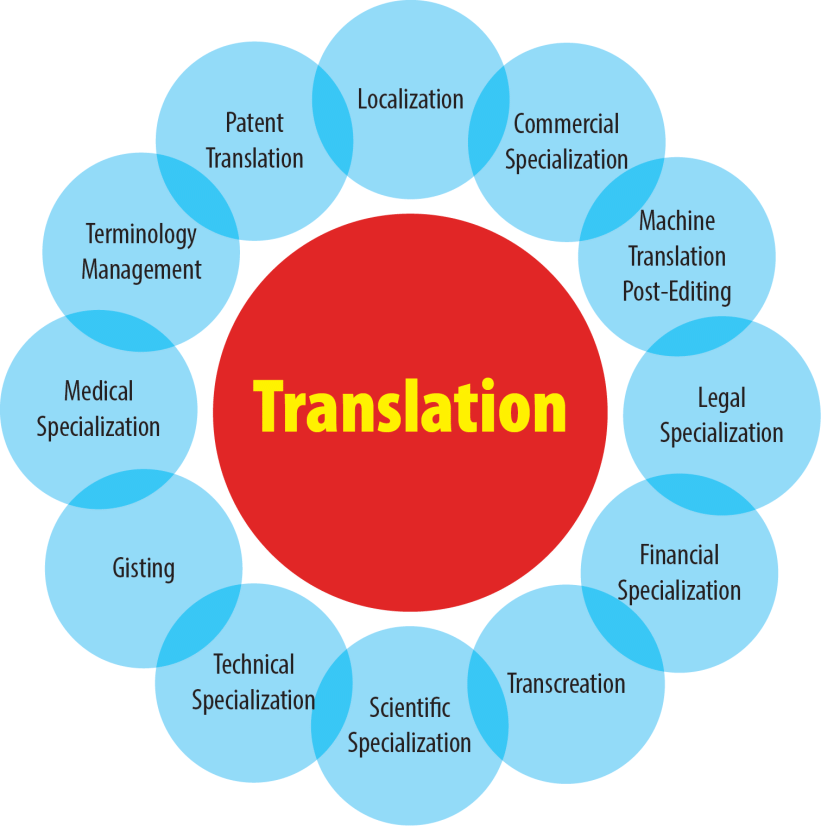
Defining Your Translation Niche
Defining your translation niche is absolutely crucial for success. It's not enough to simply be fluent in two languages; you need to identify an area of expertise where your language skills can truly shine. I learned this the hard way early on. I initially tried to take on any and all translation projects that came my way, from legal documents to marketing brochures. The result? I was stretched thin, the quality of my work suffered, and I wasn't particularly enjoying the process. I was burning the candle at both ends and feeling utterly overwhelmed.
Then, a friend suggested I focus on my background in healthcare. I had spent several years volunteering at a local clinic, and I was familiar with medical terminology in both English and Spanish. I decided to pivot and market myself specifically as a translator for medical documents, patient information, and healthcare-related content.
The change was remarkable. Suddenly, I was more confident in my abilities, I could charge higher rates because of my specialized knowledge, and I found the work much more engaging. Focusing on healthcare not only increased my earnings but also allowed me to contribute meaningfully to a field I cared about. The key is to find that intersection between your language skills and your existing knowledge or interests. This allows you to provide higher-quality translations and position yourself as a specialist in a particular area. So, consider your past experiences, your passions, and your skills, and let that guide you to your translation niche.
What is a Translation Services Side Hustle?
A translation services side hustle involves using your language skills to provide translation services to clients on a freelance basis, outside of a traditional 9-to-5 job. It's a flexible way to earn extra income by converting written content from one language to another. The beauty of this side hustle lies in its versatility. You can work from anywhere, set your own hours, and choose projects that align with your interests and expertise.
Unlike a full-time translation career, a side hustle allows you to test the waters, build your skills, and grow your client base gradually. You're not committed to a specific employer or workload; you have the freedom to accept or decline projects based on your availability and preferences.
The types of translation work available are diverse. You might translate documents, websites, marketing materials, legal contracts, or even subtitles for videos. The demand for translation services is constantly growing, driven by globalization and the increasing need for multilingual content.
To succeed in this side hustle, you'll need strong language proficiency, excellent writing skills, attention to detail, and the ability to meet deadlines. Building a professional online presence, networking with potential clients, and utilizing translation tools can also significantly enhance your earning potential. In essence, a translation services side hustle is a fantastic opportunity to monetize your language skills and achieve financial independence on your own terms.
The History and Myth of Translation Services
The history of translation is as old as language itself. From the Rosetta Stone, which unlocked the secrets of hieroglyphics, to the Bible, which has been translated into countless languages, translation has always been essential for communication, cultural exchange, and the spread of knowledge. For centuries, translators were often seen as scholars and diplomats, playing a crucial role in connecting different societies and facilitating understanding.
However, along with its rich history, the world of translation is also filled with myths and misconceptions. One common myth is that anyone who is fluent in two languages can be a good translator. While fluency is a necessary foundation, it's not sufficient. Translation requires a deep understanding of both languages, cultural nuances, and the subject matter being translated. It's about conveying meaning accurately and effectively, not just substituting words.
Another myth is that translation is a simple, straightforward process. In reality, translation is a complex and nuanced art. It involves making countless decisions about word choice, style, and tone to ensure that the translated text resonates with the target audience. A skilled translator is not just a language expert; they are also a writer, a researcher, and a cultural mediator.
The rise of machine translation has also fueled some myths. While tools like Google Translate can be helpful for basic comprehension, they often fall short when it comes to capturing the subtleties and complexities of human language. Human translators are still essential for producing high-quality, accurate, and culturally appropriate translations. The truth is translation is a multifaceted skill that blends linguistic expertise with creativity and cultural awareness.
The Hidden Secrets of Translation Success
One of the biggest "secrets" to succeeding in the translation services side hustle is understanding that it's not just about language skills; it's about building a business. Many translators focus solely on honing their linguistic abilities, which is important, but they neglect the essential aspects of marketing, client management, and financial planning.
A key secret is to specialize. As we discussed earlier, defining your niche allows you to become an expert in a particular area and attract clients who are willing to pay more for specialized knowledge. But specialization goes beyond just choosing a subject matter. It also involves developing a unique selling proposition (USP) that sets you apart from other translators.
Another hidden secret is the power of networking. Building relationships with potential clients, agencies, and other translators can open doors to new opportunities and collaborations. Attend industry events, join online communities, and reach out to people in your field. Networking is not just about finding clients; it's about building a support system and learning from others.
Time management is another critical secret. As a freelancer, you're responsible for managing your own time and meeting deadlines. Develop a system for prioritizing tasks, setting realistic goals, and avoiding distractions. Invest in tools and technologies that can streamline your workflow and increase your productivity.
Finally, don't be afraid to invest in yourself. Continuous learning is essential in the translation industry. Stay up-to-date with the latest trends, tools, and technologies. Take courses to improve your skills, attend webinars, and read industry publications. The more you invest in your own development, the more valuable you'll become to your clients.
Recommendations for a Thriving Translation Side Hustle
To truly thrive in your translation side hustle, several recommendations can set you up for success. First, invest in quality translation tools. While you might start with free resources, consider subscribing to a CAT (Computer-Assisted Translation) tool. These tools help manage terminology, ensure consistency, and speed up the translation process. Popular options include SDL Trados Studio, memo Q, and Wordfast.
Secondly, create a professional online presence. A well-designed website or Linked In profile can showcase your skills, experience, and client testimonials. Highlight your areas of expertise, list the languages you work with, and provide samples of your work. Make it easy for potential clients to find you and contact you.
Third, actively seek out client feedback. After completing a project, ask your client for feedback on your work. Use their comments to improve your skills and refine your processes. Positive feedback can also be used as testimonials to attract new clients.
Fourth, manage your finances carefully. Set aside a portion of your earnings for taxes and other business expenses. Track your income and expenses, and consider consulting with an accountant or financial advisor. Proper financial management is essential for long-term sustainability.
Finally, prioritize your well-being. Freelancing can be demanding, so it's important to take care of yourself physically and mentally. Set boundaries, take breaks, and make time for activities you enjoy. Avoid burnout by maintaining a healthy work-life balance. By following these recommendations, you can create a thriving and sustainable translation side hustle that provides you with both financial rewards and personal satisfaction.
Pricing Your Translation Services Effectively
Pricing your translation services is a delicate balancing act. You need to charge enough to make a decent profit, but you also need to be competitive enough to attract clients. There are several factors to consider when setting your rates, including your experience level, your language pair, your area of expertise, and the complexity of the project.
One common pricing method is per-word pricing. This involves charging a fixed rate for each word you translate. The per-word rate typically varies depending on the language pair and the subject matter. For example, translating from English to Spanish might command a lower rate than translating from Japanese to Arabic.
Another pricing method is hourly pricing. This involves charging an hourly rate for your time. Hourly pricing is often used for projects that are difficult to estimate in advance, such as editing or proofreading. It's also suitable for projects where you're providing additional services, such as project management or consulting.
Some translators also offer fixed-price pricing for certain types of projects. This involves charging a fixed fee for a specific task, such as translating a website or a marketing brochure. Fixed-price pricing can be attractive to clients who want to know the total cost upfront.
Before setting your rates, research the market to see what other translators are charging. Consider your own skills and experience, and factor in your overhead costs. Be prepared to negotiate with clients, but don't undervalue your services. Remember, your language skills are valuable, and you deserve to be paid fairly for your work. The key is to find a pricing strategy that works for you and your clients, and that allows you to build a sustainable and profitable business.
Essential Tips for Translation Side Hustle Success
Several practical tips can significantly enhance your chances of success in the translation services side hustle. First, always prioritize quality. Accuracy, clarity, and cultural sensitivity are paramount. Even minor errors can damage your reputation and lose you clients. Proofread your work carefully and, if possible, have another translator review it before submitting it.
Secondly, communicate effectively with your clients. Respond promptly to their inquiries, ask clarifying questions, and keep them informed of your progress. Building strong relationships with your clients is essential for repeat business and referrals.
Third, be organized and efficient. Develop a system for managing your projects, tracking your time, and invoicing your clients. Use project management tools to stay on top of your deadlines and avoid overlooking important details.
Fourth, continuously improve your skills. Language is constantly evolving, so it's important to stay up-to-date with the latest trends and terminology. Take courses, attend workshops, and read industry publications to enhance your knowledge and abilities.
Fifth, protect yourself legally. Have a clear contract that outlines the scope of the project, the payment terms, and the confidentiality agreements. Consult with a lawyer to ensure that your contract is legally sound.
Finally, don't give up easily. Building a successful translation side hustle takes time and effort. There will be setbacks and challenges along the way. But if you're persistent, dedicated, and willing to learn, you can achieve your goals. By following these tips, you can create a thriving and rewarding translation career.
The Importance of Cultural Sensitivity in Translation
Cultural sensitivity is not just a nice-to-have; it's an absolute necessity in translation. A translation that is linguistically accurate but culturally inappropriate can be just as damaging as a translation that is full of errors. Cultural sensitivity involves understanding the values, beliefs, and customs of the target audience, and adapting your translation accordingly.
For example, idioms and metaphors that are common in one culture may not make sense in another. A literal translation of these phrases can be confusing or even offensive. A culturally sensitive translator will find equivalent expressions that resonate with the target audience.
Colors can also have different meanings in different cultures. In Western cultures, white is often associated with purity and innocence, while in some Asian cultures, it's associated with mourning and death. A translator working on a marketing campaign needs to be aware of these cultural differences to avoid making unintended mistakes.
Religious beliefs and social norms can also influence translation decisions. A translator working on a project that deals with sensitive topics needs to be extra careful to avoid offending or alienating the target audience.
Cultural sensitivity is not something that can be learned overnight. It requires ongoing research, cultural immersion, and a willingness to learn from others. By developing your cultural awareness, you can create translations that are not only accurate but also culturally appropriate and effective. It also means being aware of slang and understanding when to include it. In some cases, it's best to avoid slang as it is very cultural specific and may not translate well. For example, "That's lit" would not work well when translating from English to another language. It's always important to know your audience and the intent behind your message.
Fun Facts About the World of Translation
The world of translation is full of fascinating facts and trivia. Did you know that the Bible is the most translated book in the world? It has been translated into over 700 languages, making it accessible to billions of people around the globe.
Another fun fact is that the word "translation" itself has a rich history. It comes from the Latin word "translatio," which means "to carry across." This reflects the idea that translation involves carrying meaning from one language to another.
One of the most challenging translation tasks is translating humor. Jokes and puns often rely on wordplay and cultural references that are difficult to translate accurately. A skilled translator needs to be creative and resourceful to find equivalent humor in the target language.
The translation industry is a massive global market. It's estimated to be worth over $40 billion, and it's growing rapidly due to globalization and the increasing need for multilingual content.
There are also some strange and unusual translation errors that have occurred throughout history. One famous example is the translation of the word "kerne" in a Viking saga. The translator mistakenly translated it as "old woman" instead of "warrior," leading to a comical and inaccurate portrayal of the character.
The United Nations is one of the largest employers of translators in the world. The UN relies on translators to communicate with its member states and to disseminate information in multiple languages. There are many interesting aspects of the field of translation, and it continues to grow.
How to Market Your Translation Services
Effectively marketing your translation services is crucial for attracting clients and building a successful side hustle. Start by identifying your target market. Who are you trying to reach with your services? What industries or niches do you want to focus on? Once you know your target market, you can tailor your marketing efforts accordingly.
Create a professional online presence. A well-designed website or Linked In profile is essential for showcasing your skills and experience. Highlight your language pairs, your areas of expertise, and your client testimonials. Make sure your website is easy to navigate and mobile-friendly.
Network with potential clients and industry professionals. Attend industry events, join online communities, and reach out to people in your field. Networking is a great way to build relationships and generate leads.
Use social media to promote your services. Share relevant content, engage with your followers, and run targeted ads to reach your target market. Social media can be a powerful tool for building brand awareness and attracting new clients.
Consider offering free or discounted services to attract initial clients. This can be a great way to build your portfolio and get testimonials. Be sure to set clear expectations and limit the scope of the free services.
Partner with other businesses or organizations. Collaborate with marketing agencies, law firms, or healthcare providers to offer your translation services to their clients. This can be a win-win situation for both parties. By implementing these marketing strategies, you can effectively promote your translation services and attract a steady stream of clients.
What If My Translation Side Hustle Fails?
It's important to acknowledge the possibility of failure and to have a plan in place in case things don't go as expected with your translation side hustle. The reality is not every venture succeeds, and that's okay. Failure can be a valuable learning experience that helps you grow and improve.
If your translation side hustle fails to gain traction, don't panic. Take a step back and assess the situation. What went wrong? Were your rates too high? Was your marketing ineffective? Did you struggle to meet deadlines? Identify the root causes of the problem and develop a plan to address them.
Consider seeking feedback from clients or industry professionals. Ask them for honest feedback on your skills, your services, and your marketing efforts. This feedback can be invaluable for identifying areas where you need to improve.
Don't be afraid to pivot or change your strategy. If your initial niche isn't working, consider focusing on a different area of expertise. If your marketing efforts aren't generating leads, try a different approach. Be flexible and adaptable, and be willing to experiment.
Remember that failure is not the end of the road. It's an opportunity to learn, grow, and come back stronger. Use the experience to refine your skills, improve your processes, and develop a more resilient business model.
If, after making significant changes, your side hustle still isn't working, it may be time to consider other options. Perhaps translation isn't the right fit for you, or perhaps you need to focus on building your skills further before launching another venture. The important thing is to learn from the experience and move forward with confidence.
Top 5 Translation Side Hustle Opportunities
Here are five popular translation side hustle opportunities to consider:
1.Document Translation: Translate legal contracts, technical manuals, medical reports, and other documents for businesses and individuals. This requires accuracy, attention to detail, and a strong understanding of terminology.
2.Website Localization: Adapt websites for different languages and cultures. This involves translating content, adjusting design elements, and ensuring cultural appropriateness.
3.Subtitle Translation: Translate subtitles for movies, TV shows, and online videos. This requires creativity, timing skills, and the ability to capture the essence of the dialogue.
4.Marketing Translation: Translate marketing materials, such as brochures, advertisements, and social media posts. This requires strong writing skills and an understanding of marketing principles.
5.Literary Translation: Translate novels, short stories, and poems. This is a challenging but rewarding opportunity that requires creativity, sensitivity, and a passion for literature. These are just a few of the many translation side hustle opportunities available. The key is to identify your skills and interests, and to find a niche that aligns with your expertise. With dedication and hard work, you can build a successful and rewarding translation side hustle.
Question and Answer: Translation Services Side Hustle
Here are some frequently asked questions about starting a translation services side hustle:
Question: Do I need a certification to become a translator?
Answer: While certifications can be helpful, they are not always required. Many clients are more interested in your experience and your ability to provide high-quality translations. However, some specialized fields, such as legal or medical translation, may require certification.
Question: How can I find clients for my translation services?
Answer: There are several ways to find clients. You can use online platforms, such as Upwork or Fiverr, to connect with potential clients. You can also network with businesses and organizations in your local area. Building a professional online presence and marketing your services effectively can also attract clients.
Question: How much can I earn as a translator?
Answer: The amount you can earn as a translator depends on several factors, including your experience, your language pair, your area of expertise, and the complexity of the project. Some translators earn a few dollars per hour, while others earn hundreds of dollars per hour. It's important to research the market and set your rates accordingly.
Question: What tools do I need to start a translation side hustle?
Answer: You'll need a computer, a reliable internet connection, and translation software. A CAT (Computer-Assisted Translation) tool can be helpful for managing terminology and ensuring consistency. You'll also need access to online dictionaries and other resources. Consider investing in a good quality headset to improve the quality of your calls with clients.
Conclusion of Translation Services Side Hustle: Monetize Your Language Skills
Turning your language skills into a profitable translation side hustle is an achievable goal with the right knowledge and approach. From defining your niche and setting competitive rates to marketing your services effectively and building strong client relationships, the steps outlined in this guide can empower you to create a flexible and rewarding income stream. Remember to prioritize quality, embrace continuous learning, and adapt to the evolving needs of the translation industry. With dedication and perseverance, you can unlock the potential of your linguistic talents and achieve financial independence on your own terms. Embrace the opportunity, leverage your language skills, and embark on a journey to success in the world of translation!
Post a Comment