Well Water Testing Side Hustle: Rural Health Services
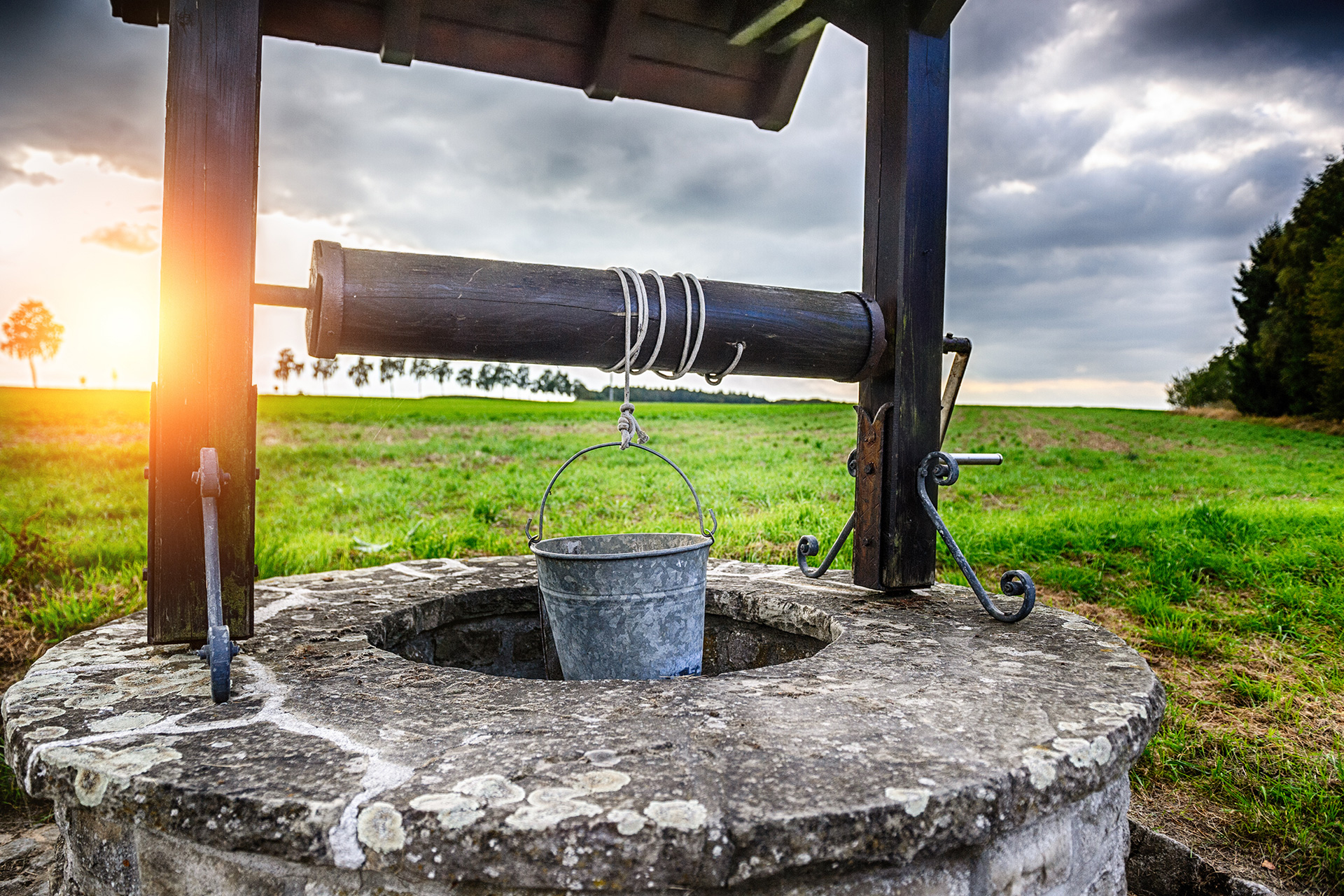
Imagine turning your concern for your neighbors’ well-being into a rewarding and impactful side venture. In the heart of rural communities, where access to reliable water testing can be scarce, there's an opportunity to provide a vital service while supplementing your income.
For many rural residents, the thought of ensuring their well water is safe can be daunting. Finding accessible and affordable testing options, navigating the complex world of contaminants, and understanding the results can feel overwhelming. The inconvenience of traveling long distances to labs and the uncertainty surrounding the interpretation of technical reports often leave homeowners feeling vulnerable and unsure about the water they drink and use every day.
This blog post explores the potential of launching a well water testing side hustle in a rural environment. We'll delve into the importance of regular water testing, the needs of rural communities, and how you can establish a business that provides convenient, reliable, and understandable water quality assessments.
In summary, a well water testing side hustle offers a chance to serve your community by providing crucial health services related to water safety. By offering accessible testing, interpreting results clearly, and providing solutions, you can make a real difference in the lives of your neighbors, all while building a fulfilling and profitable business.
Understanding the Needs of Rural Communities
Several years ago, my family purchased a small farm in a rural part of the state. We were excited about the prospect of fresh air, open spaces, and a slower pace of life. However, we quickly realized that accessing certain services was more challenging than we anticipated. One of those services was well water testing. The closest certified lab was a considerable distance away, and the process of collecting a sample, transporting it, and then interpreting the results felt unnecessarily complicated. It was during this experience that I realized the significant need for readily available and understandable well water testing in rural areas. It’s not just about having the test done; it’s about having someone you trust to explain the findings and offer solutions if issues arise.
Many rural communities rely on private wells for their drinking water, making regular testing essential. Unlike municipal water systems, private wells aren't subject to routine monitoring by the government. This responsibility falls squarely on the shoulders of the homeowner. Consequently, contaminants like bacteria, nitrates, arsenic, and lead can leach into the water supply without the homeowner's knowledge. These contaminants can pose serious health risks, especially to vulnerable populations like children, pregnant women, and the elderly. Establishing a well water testing side hustle addresses this critical gap by bringing reliable testing services directly to the community, saving residents time, money, and unnecessary worry. Furthermore, it provides an opportunity to educate homeowners about the importance of well maintenance and potential solutions for water quality issues.
The Basics of Well Water Testing
At its core, a well water testing side hustle involves collecting water samples from private wells and having them analyzed at a certified laboratory. The specific tests conducted depend on the area's geology, potential sources of contamination, and homeowner concerns. Common tests include those for bacteria (coliform and E. coli), nitrates, arsenic, lead, pesticides, and other volatile organic compounds (VOCs). The side hustle encompasses the entire process, from providing homeowners with clear instructions on how to collect a sample properly to delivering the samples to the lab and interpreting the results in plain language.
The beauty of this business model lies in its flexibility. You can start small, offering basic testing packages, and gradually expand your services as demand grows. You can also partner with local plumbers, well drillers, and environmental consultants to create a comprehensive service offering. For example, you could offer well inspections, water treatment system installation, and ongoing maintenance services. By becoming a trusted resource for all things well water related, you can establish a loyal customer base and build a thriving business. Furthermore, staying informed about the latest regulations and testing methods is crucial for maintaining credibility and providing accurate information to your clients. This might involve attending workshops, subscribing to industry publications, and networking with other professionals in the field.
The History and Myths Surrounding Well Water
The use of well water dates back centuries, with early civilizations relying on hand-dug wells as a primary source of drinking water. Over time, well drilling technology evolved, allowing for deeper and more reliable access to groundwater. However, misconceptions about well water persist, often fueled by a lack of understanding about groundwater hydrology and potential contamination sources. One common myth is that well water is always pure and safe because it comes from the ground. While groundwater is naturally filtered as it passes through soil and rock, it's still susceptible to contamination from various sources, including agricultural runoff, septic systems, and industrial waste.
Another myth is that if well water tastes and smells normal, it's safe to drink. Unfortunately, many contaminants are odorless and tasteless, making it impossible to detect them without testing. For example, arsenic, a naturally occurring element found in some groundwater, has no taste or odor but can cause serious health problems with long-term exposure. Similarly, nitrates, often from fertilizer runoff, are invisible and tasteless but can be harmful to infants. Debunking these myths and educating homeowners about the importance of regular testing is a key component of a successful well water testing side hustle. By providing accurate information and dispelling common misconceptions, you can empower residents to make informed decisions about their water quality and protect their health.
Unveiling the Hidden Secrets of Well Water Quality
The quality of well water is not always what it seems. While a water test can reveal the presence of certain contaminants, it doesn't always paint the complete picture. Factors like seasonal variations, well construction, and nearby land use can all impact water quality over time. For example, heavy rainfall can increase the risk of bacterial contamination, while prolonged droughts can concentrate pollutants. Similarly, an improperly constructed well can be more vulnerable to surface water infiltration. Therefore, a single water test provides a snapshot in time, but it's essential to understand the broader context to fully assess the health of a well.
Another hidden secret is the potential for "non-point source pollution." This refers to contamination that comes from diffuse sources, making it difficult to pinpoint the exact origin. Examples include agricultural runoff, urban stormwater, and atmospheric deposition. These pollutants can accumulate in groundwater over time, affecting well water quality even in areas with seemingly pristine environments. Understanding these complexities allows you to provide more comprehensive testing services and offer tailored solutions to address specific water quality challenges. This might involve recommending specific testing parameters, suggesting well maintenance practices, or advising on appropriate water treatment systems. By going beyond the basics and uncovering the hidden secrets of well water quality, you can establish yourself as a true expert in the field.
Recommendations for a Successful Well Water Testing Side Hustle
Launching a successful well water testing side hustle requires careful planning and execution. First and foremost, it's crucial to understand the local regulations and certification requirements for water testing. In many areas, you'll need to be certified by the state or local health department to collect and submit water samples for analysis. This typically involves completing a training program and passing an exam. It's also essential to establish a relationship with a reputable certified laboratory that can provide accurate and reliable testing services.
Next, you'll need to develop a marketing strategy to reach your target audience. This could involve advertising in local newspapers, posting flyers in community centers, and creating a website or social media presence. Consider offering introductory discounts or package deals to attract new customers. It's also important to provide excellent customer service. Be responsive to inquiries, explain the testing process clearly, and deliver results in a timely manner. Finally, don't be afraid to network with other professionals in the industry. Attend local conferences and workshops, join professional organizations, and connect with plumbers, well drillers, and environmental consultants. Building these relationships can lead to valuable referrals and partnerships.
Addressing Specific Contaminants in Well Water
Different regions have different water quality concerns. In some areas, arsenic might be the primary issue, while in others, it could be nitrates or bacteria. It's crucial to understand the common contaminants in your area and tailor your testing packages accordingly. For example, if you're located in an agricultural region, you might want to offer a comprehensive pesticide screening. Similarly, if you're near a former industrial site, you might want to include testing for volatile organic compounds (VOCs) and heavy metals.
When interpreting test results, it's important to consider the health effects of each contaminant and provide homeowners with clear guidance on how to address any issues. For example, if the water tests positive for bacteria, you might recommend disinfecting the well with chlorine and retesting. If the nitrate levels are elevated, you might advise on reducing fertilizer use or installing a nitrate removal system. Providing this type of personalized advice can significantly increase the value of your services and build trust with your customers. Remember that your role is not just to provide test results but also to help homeowners understand the implications and take appropriate action to protect their health.
Tips for Providing Excellent Customer Service
In a service-based business like well water testing, customer service is paramount. Building trust and rapport with your clients is essential for long-term success. One key tip is to be responsive to inquiries. Answer phone calls and emails promptly, and be willing to go the extra mile to address customer concerns. Another important tip is to be transparent about your pricing and services. Clearly explain what is included in each testing package and avoid hidden fees or charges.
When delivering test results, take the time to explain the findings in plain language. Avoid using technical jargon that customers might not understand. Instead, focus on the key takeaways and provide actionable recommendations. It's also important to be empathetic and understanding, especially if the test results reveal concerning levels of contaminants. Reassure customers that there are solutions available and guide them through the process of addressing the issues. Finally, follow up with customers after they've taken action to address any water quality problems. Check in to see if they have any questions or concerns, and offer ongoing support as needed. By providing exceptional customer service, you can build a loyal customer base and generate positive word-of-mouth referrals.
Building Relationships with Local Professionals
Networking with other professionals in your community can be a valuable asset for your well water testing side hustle. Connecting with plumbers, well drillers, and environmental consultants can lead to valuable referrals and partnerships. These professionals often work with homeowners who are concerned about their water quality and can recommend your services. To build these relationships, attend local trade shows and conferences, join professional organizations, and reach out to individual businesses directly.
Offer to provide them with information about your services and consider offering referral incentives. For example, you could offer a discount on testing services for their clients or provide them with marketing materials to distribute. It's also important to reciprocate their referrals and recommend their services to your own clients. Building these mutually beneficial relationships can create a strong network of support and help you grow your business. In addition, consider partnering with local real estate agents. They often need well water testing services for property transactions and can be a valuable source of referrals.
Fun Facts About Well Water
Did you know that groundwater can be thousands of years old? In some aquifers, the water has been slowly filtering through the earth for centuries, accumulating minerals and absorbing the characteristics of the surrounding geology. Another fun fact is that the temperature of well water is typically consistent year-round, regardless of the outside weather. This is because groundwater is insulated by the surrounding soil and rock, maintaining a relatively stable temperature.
Furthermore, different types of rocks and soils can impart unique flavors and mineral content to well water. For example, water that has filtered through limestone formations may be rich in calcium and magnesium, giving it a slightly sweet taste. Water that has passed through iron-rich deposits may have a slightly metallic taste. These unique characteristics can make well water a source of local pride and distinction. Sharing these fun facts with your customers can help them appreciate the unique qualities of their well water and understand the importance of protecting its quality.
How to Market Your Well Water Testing Side Hustle
Effective marketing is essential for attracting customers and growing your well water testing side hustle. Start by identifying your target audience. Who are the homeowners in your area who are most likely to need your services? Consider factors like age, income, and location. Once you know your target audience, you can develop a marketing strategy that is tailored to their needs and preferences.
One effective marketing tactic is to create a website or social media presence. This allows you to showcase your services, provide information about well water quality, and answer frequently asked questions. Another tactic is to advertise in local newspapers, community newsletters, and online directories. Consider offering introductory discounts or package deals to attract new customers. It's also important to network with other professionals in the community, such as plumbers, well drillers, and real estate agents. They can be a valuable source of referrals. Finally, don't underestimate the power of word-of-mouth marketing. Encourage satisfied customers to refer their friends and neighbors. Providing excellent customer service and delivering reliable results is the best way to generate positive word-of-mouth referrals.
What If My Well Water Tests Positive for Contaminants?
Receiving a positive test result for contaminants in your well water can be concerning, but it's important to remember that there are solutions available. The first step is to identify the specific contaminants present and their levels. This will help you determine the best course of action. Common solutions include disinfecting the well, installing a water treatment system, and modifying well construction or maintenance practices.
Disinfecting the well with chlorine can be effective for addressing bacterial contamination. Water treatment systems, such as filters, softeners, and reverse osmosis systems, can remove a wide range of contaminants, including arsenic, lead, nitrates, and pesticides. The specific type of treatment system needed will depend on the contaminants present and their levels. Modifying well construction or maintenance practices can help prevent future contamination. This might involve sealing cracks in the well casing, improving drainage around the wellhead, or reducing fertilizer use near the well. It's important to consult with a qualified professional to determine the best solution for your specific situation. They can help you assess the risks, evaluate treatment options, and ensure that the chosen solution is effective and sustainable.
Top 5 Reasons to Start a Well Water Testing Side Hustle
Here's a quick list of reasons to consider starting this venture:
- Serve Your Community: Provide a vital health service to rural residents.
- Flexible Hours: Set your own schedule and work around your existing commitments.
- Low Startup Costs: Start with basic equipment and gradually expand your services.
- High Demand: Rural areas often lack readily available water testing services.
- Potential for Growth: Expand your services to include well inspections, water treatment system installation, and ongoing maintenance.
This opportunity really emphasizes the combination of purpose and potential earnings, which is a really fulfilling way to make a living. It highlights the benefits of the health, financial, and community support the buisness will have.
Question and Answer Section
Question 1: What qualifications do I need to start a well water testing side hustle?
Answer: Requirements vary by location, but you'll likely need certification from your state or local health department to collect and submit water samples. This typically involves training and passing an exam.
Question 2: How much does it cost to start a well water testing side hustle?
Answer: Startup costs can be relatively low. You'll need equipment for collecting samples (bottles, gloves, etc.), transportation, and marketing materials. The biggest ongoing expense will be lab fees.
Question 3: How much can I charge for well water testing services?
Answer: Pricing depends on the testing package and your local market. Research what other providers in your area are charging and set competitive rates.
Question 4: How do I find a reputable certified laboratory to partner with?
Answer: Contact your state or local health department for a list of certified labs in your area. Look for labs with a good reputation, fast turnaround times, and competitive pricing.
Conclusion of Well Water Testing Side Hustle: Rural Health Services
Starting a well water testing side hustle in a rural community can be a rewarding and impactful venture. By addressing a critical need for accessible and reliable water quality assessments, you can make a real difference in the lives of your neighbors. With careful planning, a commitment to customer service, and a dedication to providing accurate information, you can build a thriving business while contributing to the health and well-being of your community.
Post a Comment