Vending Machine Business: Create Passive Income Streams
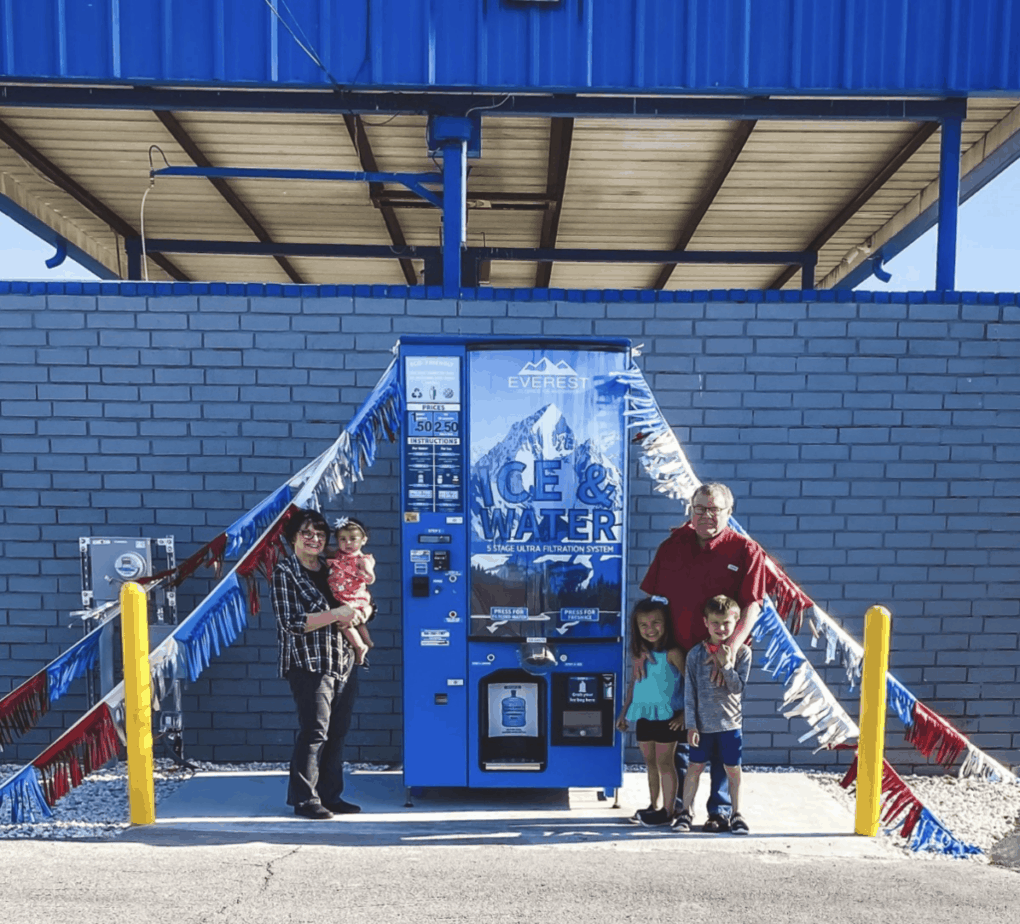
Imagine earning money while you sleep, all thanks to a silent, tireless worker diligently dispensing snacks and drinks. Sounds like a dream? It doesn't have to be. The vending machine business offers a unique opportunity to generate passive income, but is it right for you?
Starting a business can feel overwhelming. Where do you find the initial capital? What happens if you choose the wrong location? How do you navigate the regulations and manage the inventory? These worries can be daunting and keep you from pursuing potentially lucrative ventures.
This post will guide you through the world of vending machines, revealing how you can create a passive income stream. We will explore the costs, benefits, and practical steps involved in launching your own vending machine business, empowering you to make an informed decision about whether this venture aligns with your financial goals.
In summary, the vending machine business presents a compelling avenue for generating passive income. It involves strategic location selection, understanding initial investment requirements, navigating regulatory compliance, and optimizing inventory management. Whether you dream of financial freedom or simply seek an additional revenue stream, understanding the vending machine landscape can empower you to create a sustainable, automated business venture.
First Steps to Vending Machine Success
My first experience with the concept of passive income involved a small, outdated soda machine outside my grandfather's repair shop. It wasn't much to look at, but it consistently generated a small trickle of revenue, almost magically appearing each month. I remember being fascinated by the idea that a machine could work while he rested, providing extra cash flow. This sparked my initial interest in automated businesses and the potential for passive income streams. The key is research, a good location, and starting small. Many successful vending machine entrepreneurs start with one or two machines, focusing on high-traffic areas such as office buildings, gyms, or community centers. Begin by identifying potential locations and assessing their suitability based on factors like foot traffic, demographics, and existing competition. Approach property owners or managers with a well-crafted proposal outlining the benefits of having a vending machine on their premises, such as increased convenience for their employees or customers. Securing a prime location is half the battle, as it directly impacts your vending machine's revenue potential. Remember to factor in ongoing costs like restocking, maintenance, and electricity when evaluating the profitability of a vending machine business. Proper planning and diligent execution are essential for turning this passive income dream into a tangible reality. Don't underestimate the importance of selecting the right products for your target market, as this will significantly affect your sales volume and profitability. Conducting thorough market research to identify popular snacks, beverages, or other products that cater to the preferences of your target demographic is crucial for maximizing your vending machine's revenue potential. By carefully considering these initial steps, you can lay a strong foundation for building a successful vending machine business and generating a steady stream of passive income.
What Exactly is a Vending Machine Business?
A vending machine business is more than just owning a machine that dispenses snacks. It's about building a mini-retail empire, automated and scalable. It's a business model where you purchase, stock, and maintain vending machines at various locations. The core concept revolves around providing convenience to customers while generating revenue through automated sales. The beauty of this business lies in its potential for passive income; once the machines are set up and properly maintained, they can generate revenue with minimal ongoing effort. The earning potential depends on factors such as location, product selection, pricing, and machine maintenance. A successful vending machine business requires strategic planning, market research, and a commitment to providing quality products and service. It can range from a single machine in a small office to a network of machines across multiple locations, depending on your investment and goals. Beyond the basic vending of snacks and drinks, you can specialize in niche markets, such as healthy options, gourmet coffee, or even electronics. This specialization can help you stand out from the competition and cater to a specific customer base. Remember to consider factors such as machine type, payment options, and technology integration when designing your vending machine business. The evolving landscape of vending machines offers exciting opportunities for entrepreneurs to create innovative and profitable ventures. Keeping pace with industry trends and adapting to customer preferences is key to long-term success in the vending machine business. The future of vending machines includes touch screen displays, mobile payment options, and the ability to provide real-time sales data and inventory management. These technological advancements enhance the customer experience, streamline operations, and enable entrepreneurs to optimize their vending machine businesses for maximum profitability.
The History and Myth of Vending Machines
Believe it or not, vending machines have been around for centuries! The first recorded vending machine dates back to 1st century AD, invented by Hero of Alexandria, who created a device that dispensed holy water in Egyptian temples. These early machines were a far cry from the modern marvels we see today, but they represent a fascinating origin for automated sales. While the concept has ancient roots, the vending machine business has evolved significantly, with widespread adoption during the Industrial Revolution, offering a glimpse into the ingenuity of early inventors and their vision of automated commerce. One popular myth is that vending machines are a guaranteed path to riches. While the potential for passive income is real, success requires hard work, strategic planning, and effective management. Many mistakenly believe that simply placing a machine in any location will generate substantial revenue. Location is, however, a crucial factor, as are product selection, pricing, and ongoing maintenance. Over time, vending machines have transformed from simple mechanical devices to sophisticated machines with advanced technology. The industry has embraced innovation, with features like cashless payment, remote monitoring, and energy-efficient designs. As a result, the vending machine business has become increasingly attractive to entrepreneurs seeking to diversify their income streams and invest in automated businesses. The journey of vending machines from ancient temples to modern retail showcases the enduring appeal of automated commerce and its potential to evolve with changing consumer preferences. Understanding the history and debunking the myths surrounding the vending machine business can provide entrepreneurs with a more realistic perspective and guide them toward achieving sustainable success. By studying the evolution of vending machines, entrepreneurs can gain insights into the trends that shape the industry and better position their businesses for long-term growth.
The Hidden Secret of Vending Machine Success
The biggest secret? It's not the machines themselves, but the locations. Securing prime locations with high foot traffic and minimal competition is crucial for success. Finding the right spots requires research, networking, and persistence. Think beyond the obvious places like office buildings and schools; explore unconventional locations such as gyms, laundromats, and community centers. Negotiate favorable terms with property owners or managers, ensuring that you have exclusive rights to vending machine services in that area. The secret also lies in understanding your target market and tailoring your product selection to meet their specific needs. Conduct market research to identify popular snacks, beverages, or other products that resonate with the local demographic. Offering a diverse range of options can attract a wider customer base and maximize your sales volume. Furthermore, maintaining a clean and well-stocked vending machine is essential for creating a positive customer experience. Regular maintenance, prompt restocking, and responsive customer service are all critical for building a loyal customer base and generating repeat business. By focusing on these key elements, you can unlock the hidden secrets of vending machine success and create a profitable, automated business venture. Remember that vending machines are not a "set it and forget it" business. The hidden secret is that you need to constantly innovate and optimize your operations to stay ahead of the competition and meet evolving customer preferences. The success of your vending machine business depends on your ability to adapt to changing market conditions and continuously refine your strategy. Continuously monitor your sales data, gather customer feedback, and analyze market trends to identify opportunities for improvement. Use this information to adjust your product selection, pricing, and service offerings to maximize your profitability and ensure long-term success. By embracing a culture of continuous improvement, you can unlock the hidden secrets of vending machine success and build a sustainable, automated business venture.
Recommendations for Your Vending Machine Journey
Start small. Don't invest all your savings in a fleet of machines right away. Begin with one or two strategically placed machines and gradually expand as you gain experience and generate revenue. Research different vending machine suppliers and choose a reliable provider that offers quality equipment and competitive pricing. Consider factors such as machine features, warranty, and customer support when making your decision. Network with other vending machine operators and learn from their experiences. Join industry associations, attend trade shows, and connect with mentors who can provide valuable insights and guidance. Invest in technology to streamline your operations. Use vending management software to track sales data, monitor inventory levels, and manage your machine network remotely. Consider offering cashless payment options to appeal to a wider customer base and increase sales. Focus on providing excellent customer service. Respond promptly to customer inquiries, resolve any issues quickly, and maintain a clean and well-stocked vending machine. Consider offering rewards programs or promotions to incentivize repeat business and build customer loyalty. Prioritize the security of your vending machines. Install security cameras, alarms, and anti-theft devices to protect your assets and prevent vandalism or theft. Implement a system for regular cash collection and reconciliation to minimize losses. Stay informed about industry trends and innovations. Attend industry events, read trade publications, and follow industry leaders on social media to stay ahead of the competition and adapt to changing customer preferences. By following these recommendations, you can set yourself up for success in the vending machine business and create a profitable, automated venture.
Essential Equipment and Supplies
The first step towards establishing a profitable vending machine business involves assembling the necessary equipment and supplies. Beyond the vending machines themselves, consider investing in tools such as a hand truck or dolly to transport and position the machines with ease. A reliable vehicle capable of carrying stock and performing maintenance is essential for efficient operation. Inventory management is key, so establish a well-organized storage area for your products, ensuring they remain fresh and easily accessible. Don't forget about cash-handling equipment, such as a money counter and secure cash box, to manage your earnings efficiently. In addition to these essentials, it's wise to have basic repair tools on hand, enabling you to handle minor maintenance issues promptly. Safety equipment, including gloves and safety glasses, is crucial when handling heavy machinery and potentially hazardous materials. These essentials form the foundation of a successful vending machine business, ensuring smooth operations and efficient management of your resources. When selecting your vending machines, consider factors such as product capacity, payment options, and energy efficiency. Choosing machines that align with your product offerings and target market is crucial for maximizing profitability. Evaluate your storage needs carefully, ensuring that you have sufficient space to store your inventory without compromising its quality. Implement a system for tracking expiration dates and rotating stock to minimize waste and ensure that your customers are always receiving fresh products. Invest in a user-friendly cash-handling system that simplifies the process of collecting and reconciling your earnings. This will help you to minimize errors and ensure accurate financial reporting. By carefully considering these essential equipment and supplies, you can lay a solid foundation for your vending machine business and optimize its efficiency.
Tips for Maximizing Vending Machine Profitability
Location, location, location! We've said it before, but it's worth repeating. Choose high-traffic areas with a captive audience. Offer a variety of products to cater to diverse tastes and preferences. Regularly analyze your sales data and adjust your product mix accordingly. Price your products competitively. Research local market prices and set your prices accordingly to attract customers while maintaining profitability. Keep your machines clean and well-maintained. A clean and attractive machine will entice customers and create a positive impression. Provide excellent customer service. Respond promptly to customer inquiries and resolve any issues quickly and efficiently. Consider offering cashless payment options. Many customers prefer to pay with credit or debit cards, so offering this option can increase sales. Implement a vending management system to track sales data, monitor inventory levels, and manage your machine network remotely. This can help you streamline your operations and optimize your profitability. Offer promotions and discounts to attract customers and boost sales. Consider offering combo deals, loyalty rewards, or limited-time promotions. Regularly evaluate your machine placement. If a machine is not performing well, consider moving it to a different location with higher traffic. By following these tips, you can maximize your vending machine profitability and create a successful, automated business venture. Don't underestimate the power of visual merchandising. Arrange your products in an appealing and organized manner to attract customers' attention and encourage impulse purchases. Consider investing in attractive signage and displays to further enhance the visual appeal of your vending machines. Regularly evaluate your operating costs and identify opportunities to reduce expenses. Negotiate better rates with your suppliers, optimize your energy consumption, and implement efficient inventory management practices. By minimizing your operating costs, you can increase your profitability and improve the overall financial performance of your vending machine business.
Understanding Legal and Regulatory Requirements
Before launching your vending machine business, it's crucial to understand and comply with all applicable legal and regulatory requirements. This includes obtaining the necessary business licenses and permits from your local, state, and federal governments. Zoning regulations may restrict the placement of vending machines in certain areas, so it's essential to verify compliance with local zoning ordinances. Health permits may be required if you're vending food or beverages, ensuring that you meet sanitation and safety standards. Sales tax regulations vary by location, so it's crucial to understand your obligations and collect and remit sales tax appropriately. Furthermore, you may need to comply with product labeling requirements, ensuring that your products are accurately labeled with nutritional information and allergen warnings. Failure to comply with these legal and regulatory requirements can result in fines, penalties, or even the closure of your business. It's essential to consult with legal and regulatory experts to ensure that you're fully compliant with all applicable laws and regulations. Researching your local regulations regarding business licenses and permits should be a top priority. Consider consulting with a business attorney or accountant to ensure that you're following all applicable laws and regulations. Contact your local health department to inquire about any necessary health permits or food safety regulations. Familiarize yourself with your state's sales tax laws and ensure that you're collecting and remitting sales tax appropriately. Regularly review your compliance with all applicable laws and regulations to ensure that you're operating your vending machine business legally and ethically. By thoroughly understanding and complying with all legal and regulatory requirements, you can protect your business from potential legal issues and build a solid foundation for long-term success.
Fun Facts About the Vending Machine Industry
Did you know that the global vending machine market is a multi-billion dollar industry? Vending machines are used worldwide, dispensing everything from snacks and drinks to electronics and even gold! Japan has the highest density of vending machines per capita, with machines on nearly every street corner. The most popular vending machine product is soda, followed by snacks and candy. Vending machines are becoming increasingly sophisticated, with features like touch screen displays, mobile payment options, and facial recognition technology. The first vending machine in the United States dispensed chewing gum in the late 1880s. Vending machines are used in some countries to dispense live bait for fishing. Some vending machines offer personalized recommendations based on customer preferences. Vending machines are used in hospitals to dispense medications and medical supplies. Vending machines are used in airports to dispense travel essentials like phone chargers and headphones. The vending machine industry is constantly evolving, with new innovations and applications emerging all the time. Exploring these fun facts provides a glimpse into the dynamic and ever-changing world of vending machines. Consider the wide variety of products that can be vended through vending machines, from gourmet coffee to luxury cosmetics. Research the different types of vending machines available, including snack machines, beverage machines, and specialty vending machines. Explore the emerging trends in the vending machine industry, such as cashless payment, mobile ordering, and data analytics. Understanding these fun facts and industry trends can inspire you to think creatively about your vending machine business and identify new opportunities for growth. By staying informed about the latest developments in the vending machine industry, you can position yourself for success in this dynamic and competitive market.
How to Scale Your Vending Machine Business
Scaling your vending machine business requires a strategic approach and careful planning. Once you've established a profitable foundation with a few successful machines, you can begin to expand your network and increase your revenue. Identify high-potential locations for new vending machines. Conduct thorough market research to identify areas with high foot traffic and limited competition. Develop a strong relationship with property owners or managers. Negotiate favorable terms for placing your vending machines in their locations. Invest in additional vending machines to expand your network. Choose machines that are reliable, energy-efficient, and equipped with the latest technology. Streamline your operations to manage a larger network of vending machines efficiently. Implement a vending management system to track sales data, monitor inventory levels, and schedule maintenance. Hire employees to assist with restocking, maintenance, and cash collection. Delegate tasks effectively to free up your time and focus on strategic growth initiatives. Explore new product offerings to diversify your revenue streams. Consider offering healthy snacks, gourmet coffee, or specialty products to attract a wider customer base. Implement a marketing strategy to promote your vending machine business and attract new customers. Use social media, local advertising, and promotional events to increase awareness of your vending machine locations. By following these steps, you can successfully scale your vending machine business and achieve your financial goals. Consider franchising your vending machine business to expand your network more rapidly. Explore partnerships with other businesses to leverage their existing customer base and distribution channels. Invest in research and development to innovate your vending machine offerings and stay ahead of the competition. Scaling your vending machine business requires a long-term vision, a commitment to continuous improvement, and a willingness to adapt to changing market conditions. By embracing a growth mindset and implementing a strategic approach, you can unlock the full potential of your vending machine business and create a sustainable, automated venture.
What If... (Exploring Potential Challenges and Solutions)
What if a vending machine breaks down? Have a maintenance plan in place, including a reliable repair service or the skills to fix minor issues yourself. What if a location isn't as profitable as you expected? Be prepared to relocate the machine to a more promising spot. What if your products aren't selling well? Analyze your sales data and adjust your product mix to better suit customer preferences. What if you experience theft or vandalism? Invest in security measures like cameras and alarms, and work with local authorities to address any incidents. What if new competitors enter the market? Differentiate yourself by offering superior products, customer service, or innovative vending solutions. What if there are changes in regulations or laws? Stay informed about industry trends and adapt your business practices accordingly. What if there is an economic downturn? Be prepared to adjust your pricing and product offerings to remain competitive. What if you need to expand your business rapidly? Develop a scalable business model and secure access to capital. What if you want to sell your vending machine business? Develop a plan for transferring ownership and valuing your assets. What if you encounter unexpected challenges or setbacks? Maintain a positive attitude, learn from your mistakes, and persevere through difficult times. By anticipating potential challenges and developing proactive solutions, you can mitigate risks and increase your chances of success in the vending machine business. Create a contingency plan for unexpected events, such as equipment malfunctions or supply chain disruptions. Network with other vending machine operators to share insights and best practices for overcoming challenges. Invest in training and development to enhance your skills and knowledge in the vending machine industry. By proactively addressing potential challenges and continuously improving your business practices, you can build a resilient and successful vending machine business that is well-positioned for long-term growth.
Listicle of Vending Machine Business
1.Location is King: Secure high-traffic spots for maximum sales.
2.Variety is the Spice of Life: Offer diverse products to cater to all tastes.
3.Price it Right: Find the sweet spot between profitability and affordability.
4.Cleanliness Counts: Keep your machines spotless to attract customers.
5.Maintenance Matters: Regular upkeep prevents breakdowns and lost revenue.
6.Cashless is Cool: Accept credit/debit cards for increased convenience.
7.Data is Your Friend: Track sales to optimize product selection.
8.Customer Service Wins: Respond promptly to inquiries and resolve issues.
9.Promotions Pay Off: Offer discounts and deals to boost sales.
10.Security is Key: Protect your machines from theft and vandalism.
11.Stay Compliant: Follow all legal and regulatory requirements.
12.Network with Peers: Learn from other vending machine operators.
13.Innovate Constantly: Adapt to changing trends and customer preferences.
14.Start Small, Grow Big: Begin with a few machines and scale gradually.
15.Embrace Technology: Use vending management systems for efficiency.
16.Think Outside the Box: Explore unconventional locations and products.
17.Monitor Competitors: Stay aware of what others are doing in the market.
18.Plan for the Unexpected: Have a contingency plan for challenges.
19.Build Relationships: Connect with property owners and suppliers.
20.Never Stop Learning: Continuously improve your business skills. By following these tips, you can create a thriving vending machine business and achieve your financial goals. Prioritize these key areas to maximize your profitability and build a sustainable, automated venture. This listicle provides a comprehensive overview of the essential elements for success in the vending machine business. This list provides a quick reference guide to help you stay focused on the most important aspects of your vending machine venture. Use this list as a checklist to ensure that you're taking the necessary steps to build a thriving vending machine business.
Question and Answer
Q: How much does it cost to start a vending machine business?
A: The initial investment varies widely depending on the type and number of machines you purchase, as well as location fees and initial inventory costs. You could start with a used machine for a few thousand dollars or invest in a new, high-tech machine for significantly more.
Q: How do I find profitable locations for my vending machines?
A: Research areas with high foot traffic and limited access to alternative food and beverage options. Consider office buildings, schools, gyms, community centers, and industrial parks. Negotiate favorable terms with property owners or managers.
Q: What are the biggest challenges in the vending machine business?
A: Common challenges include equipment malfunctions, theft or vandalism, competition, and fluctuating product costs. A solid maintenance plan, security measures, and competitive pricing can help mitigate these risks.
Q: How can I increase my vending machine revenue?
A: Offer a variety of products to cater to diverse tastes, keep your machines clean and well-stocked, provide excellent customer service, accept cashless payments, and implement a vending management system to track sales data and optimize your product mix.
Conclusion of Vending Machine Business: Create Passive Income Streams
The vending machine business offers a unique opportunity to generate passive income, but it requires careful planning, strategic execution, and ongoing management. By understanding the costs, benefits, and challenges involved, you can make an informed decision about whether this venture aligns with your financial goals. With the right location, product selection, and operational strategies, you can create a successful vending machine business and enjoy a steady stream of automated revenue. Whether you're seeking financial freedom or simply an additional income stream, the vending machine landscape presents a world of possibilities for entrepreneurial success.
Post a Comment