Treasury Bill Investing: Government-Backed Income
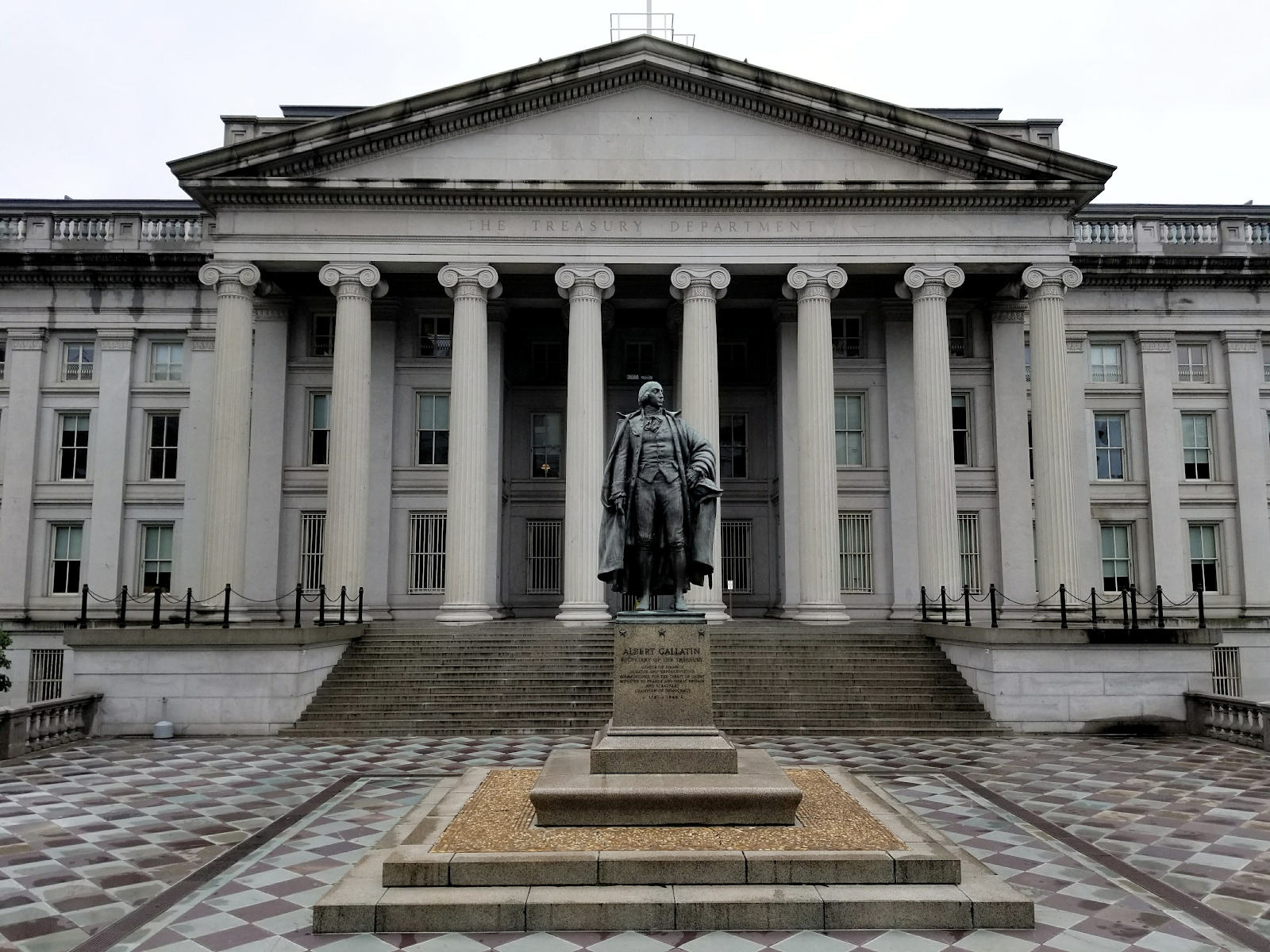
Imagine a world where your investments are backed by the full faith and credit of the United States government. Sounds pretty secure, right? That's the allure of Treasury Bills, or T-bills as they're often called. But are they really the golden ticket to risk-free riches? Let's dive in and find out.
We all want our money to work for us, growing steadily without keeping us up at night worrying about market crashes or company failures. The thought of navigating complex investment options, understanding volatile market swings, and potentially losing hard-earned savings can be a huge deterrent. People crave stability and security, especially in uncertain economic times, and the desire to protect their capital often outweighs the potential for higher returns that come with greater risk.
This article aims to explore the world of Treasury Bills, examining their potential as a safe and reliable investment option. We'll delve into what they are, how they work, the advantages and disadvantages, and how they fit into a diversified investment strategy. If you're looking for a low-risk way to park your cash and earn a little interest, keep reading.
Treasury Bills (T-bills) offer a unique opportunity to invest in short-term debt obligations backed by the U.S. government. This provides a level of safety unmatched by many other investment options. We've explored their mechanics, benefits, potential drawbacks, and how they can fit into a broader financial plan. Understanding T-bills is a crucial step in building a well-rounded and secure investment portfolio. Key terms include: risk-free rate, government securities, short-term investments, discount rate, and auction.
Understanding the Appeal: Government-Backed Security
The biggest draw of Treasury Bills is their government backing. Remember back in 2008 when the financial crisis hit? I remember the fear and uncertainty swirling around. People were losing their jobs, their homes, and a lot of their investments. The stock market was a rollercoaster, and many were desperately searching for safe havens to park their money. It was during this time that I truly understood the value of government-backed securities. While others were panicking, those with investments in things like T-bills could sleep a little easier knowing their principal was safe, guaranteed by the U.S. government.
That feeling of security is a powerful motivator for many investors, especially those nearing retirement or who are risk-averse. Knowing that your investment is essentially risk-free – at least in terms of default – allows you to focus on other aspects of your financial planning. It's not about getting rich quick; it's about preserving capital and earning a modest return while minimizing anxiety. Treasury Bills, backed by the full faith and credit of the United States government, provide this peace of mind, making them a cornerstone of conservative investment strategies. They offer a buffer against market volatility and can provide a steady stream of income, albeit a relatively small one. Think of them as a bedrock of stability in an otherwise unpredictable financial landscape.
What Exactly Are Treasury Bills?
Treasury Bills, or T-bills, are short-term debt securities issued by the United States Department of the Treasury. They are sold at a discount to their face value and mature at face value, with the difference representing the interest earned. Think of it like buying a $1,000 T-bill for $980. When it matures, you receive the full $1,000, effectively earning $20 on your investment. These bills are typically issued with maturities of 4, 8, 13, 17, 26, or 52 weeks, making them ideal for short-term cash management and parking funds you might need soon.
Unlike bonds, which pay regular interest payments, T-bills are zero-coupon securities. This means you don't receive any income until the bill matures. The interest is essentially built into the discounted purchase price. You buy them for less than their face value, and at maturity, you receive the full face value. This simple structure makes them easy to understand and attractive to investors looking for straightforward investment options.
The fact that T-bills are backed by the U.S. government makes them virtually risk-free in terms of credit risk. This is why they are often considered the benchmark for the "risk-free rate" of return in financial models. While they offer a low return compared to other investments like stocks or bonds, their safety makes them a valuable component of a diversified portfolio, particularly for those seeking capital preservation.
A Brief History and Common Myths
The history of Treasury Bills stretches back to the early 20th century, with their modern form solidifying in the post-World War II era. They became a crucial tool for the U.S. government to manage its short-term funding needs. Over the decades, T-bills have evolved alongside the financial markets, becoming increasingly accessible to individual investors through online platforms and brokerage accounts. However, some common myths still surround them.
One myth is that T-bills are only for wealthy investors or institutions. This is simply not true. While institutions certainly invest heavily in T-bills, individual investors can easily participate with relatively small amounts of capital. Another misconception is that T-bills offer significant returns. While they are a safe investment, their returns are typically modest, reflecting their low-risk nature. They are not designed to make you rich quickly; rather, they are designed to preserve capital and provide a small return.
A final myth is that you need a broker to buy T-bills. While brokers can facilitate the purchase, you can also buy them directly from the U.S. Treasury through Treasury Direct.gov, eliminating the need for brokerage fees. Understanding the history and debunking these myths is crucial for making informed decisions about whether T-bills are right for your investment strategy.
The Hidden Secret: Liquidity and Tax Advantages
One often overlooked advantage of Treasury Bills is their high level of liquidity. Because they are short-term securities, they can be easily bought and sold in the secondary market before maturity. This means that if you need access to your funds before the bill matures, you can typically sell it without incurring significant losses. This liquidity provides flexibility and peace of mind, knowing that your money is not locked away for an extended period.
Another hidden benefit is their tax advantage. T-bill interest is exempt from state and local taxes, although it is still subject to federal income tax. This can be particularly attractive to investors in high-tax states, as it can significantly increase the after-tax return on their investment. While the tax savings may not be substantial, they can add up over time, especially for those who consistently invest in T-bills.
These two factors – liquidity and tax advantages – make Treasury Bills a more compelling investment than many people realize. They offer a combination of safety, flexibility, and tax efficiency that is hard to find in other short-term investment options. While they may not be the most exciting investment, they are a reliable and valuable tool for managing your cash and preserving capital.
Recommendations: Integrating T-Bills into Your Portfolio
So, how do you incorporate Treasury Bills into your investment portfolio? The answer depends on your individual circumstances, risk tolerance, and financial goals. Generally, T-bills are best suited for investors who are risk-averse, nearing retirement, or seeking a safe place to park their cash for short-term needs. They can also be a valuable tool for diversifying a portfolio and reducing overall risk.
One common strategy is to use T-bills as a "cash equivalent" in your portfolio. This means allocating a portion of your assets to T-bills to provide a cushion against market volatility and to have funds readily available for emergencies or future investment opportunities. The amount you allocate to T-bills will depend on your individual needs and risk tolerance, but a general guideline is to keep enough cash on hand to cover 3-6 months of living expenses.
Another strategy is to use T-bills to ladder your investments. This involves buying T-bills with different maturity dates, so that some bills mature every few weeks or months. This provides a steady stream of income and allows you to reinvest the proceeds at current interest rates. This strategy can be particularly useful for retirees who are looking for a stable income stream. In summary, T-bills should be considered as part of your overall financial plan, rather than as a standalone investment.
Understanding the Auction Process
The auction process is how Treasury Bills are initially sold to investors. The Treasury Department conducts auctions regularly, offering different maturities of T-bills. Investors can submit bids indicating the price they are willing to pay for the bills. There are two types of bids: competitive and non-competitive. Competitive bids specify the price and quantity of bills the investor wants to purchase. Non-competitive bids simply agree to accept the price determined at the auction.
The Treasury then accepts the bids, starting with the highest price and working down until all the bills are sold. The lowest price at which bills are sold is known as the "stop-out rate," and all investors who submitted bids at or above that rate receive their allocation. Non-competitive bidders receive their full allocation at the stop-out rate. This auction process ensures that T-bills are sold at a fair market price.
For individual investors, submitting a non-competitive bid is usually the easiest and most straightforward approach. This guarantees that you will receive your desired quantity of bills at the prevailing market price. However, it's important to be aware of the auction schedule and to submit your bid before the deadline. The Treasury Direct.gov website provides all the information you need to participate in T-bill auctions.
Tips for Investing in Treasury Bills
Investing in Treasury Bills is relatively straightforward, but there are a few tips that can help you maximize your returns and minimize your risks. First, consider your investment timeline. T-bills are short-term investments, so they are best suited for funds you need access to within a year. If you have a longer investment horizon, you may want to consider other options like bonds or stocks.
Second, pay attention to the auction schedule and interest rates. T-bill rates fluctuate based on market conditions and the Federal Reserve's monetary policy. Keep an eye on the rates offered at upcoming auctions to determine if it's a good time to invest. You can find this information on the Treasury Direct.gov website or through your brokerage account.
Third, consider diversifying your investments. While T-bills are a safe investment, they offer relatively low returns. To achieve your financial goals, it's important to diversify your portfolio across different asset classes, including stocks, bonds, and real estate. T-bills should be just one component of your overall investment strategy. Finally, re-invest your gains, to compound the amount of return.
Understanding the Discount Rate
The discount rate is a key concept to understand when investing in Treasury Bills. Unlike bonds, which pay regular interest payments, T-bills are sold at a discount to their face value. The discount rate is the percentage by which the purchase price is reduced from the face value. For example, if a $1,000 T-bill is sold at a discount rate of 2%, the purchase price would be $980. The difference between the purchase price and the face value ($20 in this example) represents the interest you earn on the investment.
The discount rate is determined at the T-bill auction. The higher the demand for T-bills, the lower the discount rate, and vice versa. Factors that influence the discount rate include the Federal Reserve's monetary policy, inflation expectations, and overall market sentiment. It's important to monitor the discount rates offered at T-bill auctions to make informed investment decisions.
The discount rate is typically expressed as an annual percentage, even though T-bills have maturities of less than a year. This allows investors to compare the returns on T-bills to other investments with different maturities. To calculate the actual interest rate you will earn on a T-bill, you need to annualize the discount rate based on the T-bill's maturity. For instance, a 2% discount rate on a 26-week T-bill would translate to an annualized interest rate of approximately 4%.
Fun Facts About Treasury Bills
Did you know that Treasury Bills are one of the oldest forms of government debt? They have been used for over a century to finance government operations and manage the national debt. Another fun fact is that T-bills are incredibly popular, with trillions of dollars in outstanding debt. This makes them one of the most liquid and actively traded securities in the world.
Another interesting tidbit is that the U.S. government has never defaulted on its Treasury Bills. This makes them one of the safest investments you can make. While the returns may not be as high as other investments, the peace of mind that comes with knowing your principal is safe is invaluable. Furthermore, there are several terms to consider.
Moreover, there is a common confusion between Treasury Bills and Bonds. Treasury bills are short term maturity (less than a year) while Treasury bonds have longer maturity time frame. Lastly, Treasury Bills could be a great source of emergency funds.
How to Buy Treasury Bills
Buying Treasury Bills is easier than you might think. The most direct way to purchase them is through the U.S. Treasury's online platform, Treasury Direct.gov. This website allows you to open an account, link your bank account, and participate in T-bill auctions. The process is relatively simple and straightforward, and there are no fees for buying or selling T-bills through Treasury Direct.
Alternatively, you can buy T-bills through a brokerage account. Most major brokerage firms offer access to T-bill auctions, and some even allow you to buy and sell T-bills in the secondary market. However, brokerage firms may charge fees for these services, so be sure to compare the costs before making a decision. Before doing that, you may also consider to look at other financial institutions.
Regardless of which method you choose, you'll need to decide whether to submit a competitive or non-competitive bid. As mentioned earlier, a non-competitive bid is usually the best option for individual investors, as it guarantees you'll receive your desired quantity of bills at the prevailing market price. Once you've purchased your T-bills, you'll receive a confirmation statement, and the bills will be held in your account until they mature.
What If... Interest Rates Rise?
One concern some investors have about Treasury Bills is what happens if interest rates rise. Since T-bills are short-term investments, their prices are less sensitive to interest rate changes than longer-term bonds. However, rising interest rates can still impact your T-bill returns. If interest rates rise after you've purchased a T-bill, the value of your bill in the secondary market may decline slightly.
However, this decline is usually minimal, especially for short-term T-bills. Moreover, the fact is that as interest rate rise, you will be able to use the cash from matured treasury bills to re-invest in new treasury bills. Furthermore, as a fixed income strategy it is also crucial to diversify across various fixed income asset class.
The good news is that you'll still receive the full face value of the T-bill at maturity, regardless of what happens to interest rates in the meantime. And when your T-bill matures, you can reinvest the proceeds at the higher interest rates, potentially earning a higher return on your next investment. So, while rising interest rates may have a small negative impact on the value of your existing T-bills, they can also create opportunities to earn higher returns in the future.
Top 5 Reasons to Invest in Treasury Bills
Here's a quick listicle summarizing the top reasons to consider investing in Treasury Bills:
1.Safety: Backed by the full faith and credit of the U.S. government, T-bills are virtually risk-free in terms of default.
2.Liquidity: T-bills can be easily bought and sold in the secondary market, providing access to your funds when needed.
3.Tax Advantages: T-bill interest is exempt from state and local taxes, increasing your after-tax return.
4.Simplicity: T-bills are easy to understand and purchase, making them a great option for novice investors.
5.Diversification: T-bills can help diversify your portfolio and reduce overall risk.
These five reasons make Treasury Bills a compelling investment option for those seeking safety, liquidity, and tax efficiency.
Question and Answer Section
Here are some frequently asked questions about Treasury Bills:
Q: Are Treasury Bills completely risk-free?
A: While T-bills are considered virtually risk-free in terms of default, they are subject to inflation risk. If inflation rises faster than the return on your T-bill, your real return (after inflation) may be negative.
Q: How do I calculate the yield on a Treasury Bill?
A: The yield on a T-bill is calculated based on the discount rate, the face value, and the maturity date. You can use online calculators or consult with a financial advisor to determine the yield on a specific T-bill.
Q: Can I lose money investing in Treasury Bills?
A: It's highly unlikely to lose money investing in T-bills, as they are backed by the U.S. government. However, you could potentially lose a small amount if you sell the T-bill in the secondary market before maturity and interest rates have risen.
Q: Are Treasury Bills a good investment for retirement?
A: T-bills can be a valuable component of a retirement portfolio, particularly for those seeking to preserve capital and generate a stable income stream. However, they should be combined with other investments, such as stocks and bonds, to achieve your long-term financial goals.
Conclusion of Treasury Bill Investing: Government-Backed Income
Treasury Bills offer a unique blend of safety, liquidity, and tax advantages that make them a compelling investment option for a wide range of investors. Whether you're a risk-averse retiree or a young investor looking to diversify your portfolio, T-bills can play a valuable role in achieving your financial goals. By understanding the mechanics of T-bills, monitoring interest rates, and incorporating them into a well-diversified investment strategy, you can harness the power of government-backed income to build a more secure financial future.
Post a Comment