Collectibles Investing: Hobby-Based Income Strategy
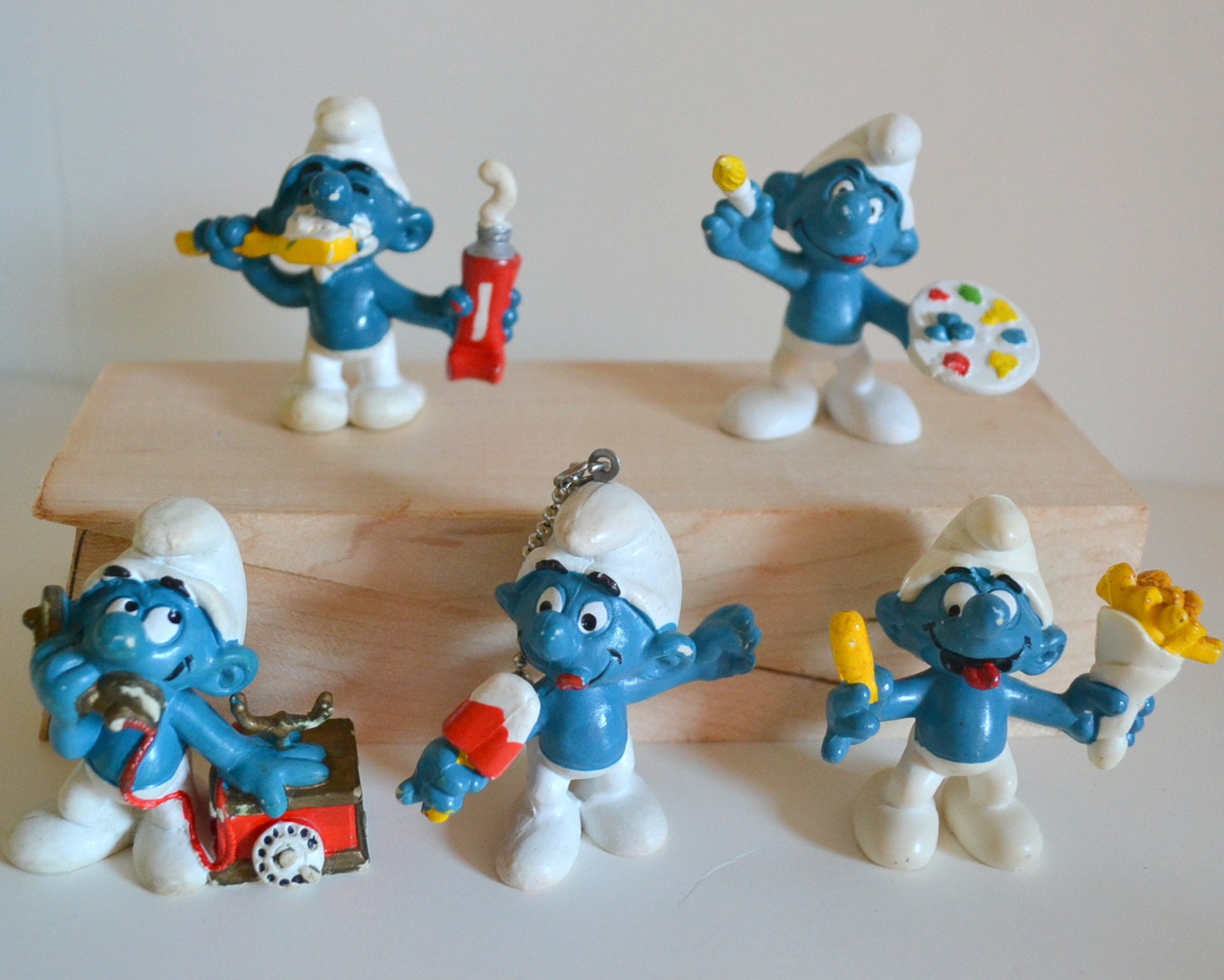
Imagine turning your childhood passion, that box of baseball cards gathering dust in the attic, or your penchant for vintage comic books, into a source of income. It sounds like a dream, right? But for many, it's a tangible reality. We're diving into the world of collectibles investing, exploring how to transform your hobbies into a potential revenue stream.
Many find themselves struggling to navigate the complexities of the investment world, intimidated by stocks, bonds, and real estate. The thought of risking hard-earned savings on something unfamiliar can be daunting, and the time commitment required to research and manage traditional investments can feel overwhelming. Some of us are searching for alternative ways to grow wealth, approaches that align with our personal interests and passions, opportunities to generate income from things we genuinely enjoy.
This article will explore the exciting potential of collectibles investing. It's for anyone who has a passion for collecting, whether it's stamps, coins, art, or toys, and wants to explore the possibility of turning that passion into a hobby-based income strategy. We'll delve into the world of alternative investments, offering insights into how to identify valuable collectibles, manage risks, and potentially generate profit from your passion.
We’ll explore the potential of turning your hobbies into income-generating assets, covering how to identify promising collectibles, manage the associated risks, and avoid common pitfalls. We'll touch on niche markets, appraisal strategies, and the importance of understanding market trends in collectibles investing. Whether you're a seasoned collector or just starting to explore the possibilities, this guide provides valuable insights into the world of hobby-based income. Remember to do thorough research before investing in anything, including alternative assets like collectibles.
Finding Your Niche in Collectibles
The key to success in collectibles investing often lies in specialization. When I was a kid, my grandfather had an incredible collection of antique clocks. He wasn't a dealer, but he knew everything about them – the different makers, the movements, the historical context. He’d spend hours at antique shops, not just buying, but learning. One day, he found a rare clock at a flea market for next to nothing because the seller didn't realize its true value. He ended up selling it for a significant profit, not because he was trying to get rich, but because he knew its worth and found someone who truly appreciated it.
This experience taught me a valuable lesson: deep knowledge is your greatest asset. Instead of trying to collect everything, focus on a specific area that genuinely interests you. Do you love vintage movie posters? Are you fascinated by first edition books? The more you know about your chosen niche, the better equipped you'll be to identify undervalued items and make informed investment decisions. This knowledge also helps you build connections within the collecting community, which can provide valuable insights and opportunities. Collectibles investing requires passion, patience, and the willingness to learn everything you can about your chosen area of interest. By specializing, you can transform your hobby into a source of knowledge and potential income.
What is Collectibles Investing?
Collectibles investing involves acquiring items that are considered rare, valuable, and likely to increase in value over time. Unlike traditional investments such as stocks or bonds, collectibles are tangible assets that can provide enjoyment alongside potential financial returns. These items can range from art and antiques to stamps, coins, trading cards, and even vintage toys.
The value of a collectible is driven by several factors, including scarcity, condition, historical significance, and market demand. Understanding these factors is crucial for making informed investment decisions. For example, a comic book in pristine condition featuring the first appearance of a popular character will likely be worth more than a similar comic book with tears or stains. Similarly, an antique piece of furniture crafted by a renowned artisan will typically command a higher price than a mass-produced item. Collectibles investing can be a rewarding way to diversify your portfolio and pursue your passions. However, it requires careful research, a deep understanding of the market, and a willingness to take calculated risks. Ultimately, collectibles investing offers a unique opportunity to combine your hobbies with the potential for financial gain.
The History and Myth of Collectibles Investing
The allure of collectibles has been around for centuries. Kings collected precious jewels, nobles amassed art, and everyday people cherished rare coins. But the modern idea of collectibles as an investment strategy has roots in the mid-20th century when post-war prosperity allowed more people to indulge their passions. Certain collectibles like stamps or coins have a longer investment history than things like Beanie Babies or Funko Pops, which are modern collectibles.
One common myth is that all collectibles automatically increase in value. This isn't true. Many collectibles lose value over time due to changing tastes, market saturation, or poor condition. Another myth is that you need to spend a fortune to get started. While some collectibles can be expensive, many affordable options exist, especially if you focus on a niche market. The key is to do your research and understand the factors that drive value. A historical perspective can provide valuable context, helping you understand how certain collectibles have performed over time and identify potential trends. Ultimately, collectibles investing is about more than just chasing profit; it's about appreciating history, craftsmanship, and the unique stories behind these tangible assets.
The Hidden Secrets of Collectibles Investing
One of the biggest secrets of collectibles investing is that it's not just about buying low and selling high. It's about building a network and becoming an expert. Dealers and collectors often build up their reputation by being an expert in a subject of their choosing. Having a network of fellow collectors is useful to build credibility as well as trade and barter with other collectors.
Another secret is to understand the psychology of collecting. Collectors are often driven by nostalgia, emotional attachment, and a desire to own something unique. By understanding these motivations, you can better anticipate market trends and identify potential investment opportunities. For instance, if a particular toy from your childhood is suddenly gaining popularity, it might be a good time to consider investing in it. Furthermore, attending auctions and establishing relationships with reputable dealers can provide access to exclusive items and insider knowledge. Also, grading collectibles can enhance their value and overall collectibility. Finally, be prepared to hold onto your collectibles for the long term. While some items may appreciate quickly, many require patience and a long-term perspective to realize their full potential. Collectibles investing is a marathon, not a sprint.
Recommendations for Collectibles Investing
My top recommendation for anyone considering collectibles investing is to start small and focus on something you genuinely enjoy. Don't jump into buying expensive items right away. Instead, start by researching your area of interest and familiarizing yourself with the market. Go to local conventions and shows. Join clubs and groups of collectors.
Also, prioritize condition. A collectible in excellent condition will always be worth more than one in poor condition. Learn how to properly store and protect your collectibles to maintain their value. Consider insuring your collection against damage or theft. Another recommendation is to diversify your collection. Don't put all your eggs in one basket. By spreading your investments across different items or categories, you can reduce your overall risk. Remember to document everything. Keep detailed records of your purchases, including prices, dates, and sources. This information will be invaluable when it comes time to sell. Finally, be prepared to walk away from a deal. Don't let your emotions cloud your judgment. If the price isn't right, or if something doesn't feel right, don't be afraid to pass. Always remember that knowledge and patience are your greatest assets in the world of collectibles investing.
Avoiding Common Pitfalls
One of the most common pitfalls in collectibles investing is falling for fakes or reproductions. Counterfeit items are rampant in many markets, so it's crucial to be able to distinguish authentic items from imitations. Learn how to identify the hallmarks of authenticity in your chosen area of interest. Examine items carefully for signs of tampering or alteration. If possible, seek the opinion of an expert before making a purchase.
Another pitfall is overpaying for collectibles. Don't let your enthusiasm cloud your judgment. Always do your research and compare prices from different sources before making an offer. Be aware of current market trends and adjust your bids accordingly. Avoid getting caught up in bidding wars at auctions. Set a budget and stick to it. It's also essential to be realistic about the potential return on your investment. Not all collectibles will appreciate in value, and some may even lose value over time. Be prepared for the possibility of losses and don't invest more than you can afford to lose. Finally, avoid making impulsive decisions. Take your time to research and evaluate potential investments before committing to a purchase. Collectibles investing requires patience, discipline, and a rational approach.
Tips for Successful Collectibles Investing
One of the most important tips for successful collectibles investing is to cultivate relationships with other collectors, dealers, and experts. Networking can provide access to valuable information, insights, and opportunities. Attend conventions, join online forums, and participate in local collecting groups. Don't be afraid to ask questions and seek advice from experienced collectors.
Another tip is to stay informed about market trends. Track prices and sales data for your chosen collectibles. Read industry publications and follow online news sources. Be aware of factors that can influence prices, such as new releases, celebrity endorsements, and economic conditions. It's also essential to properly store and protect your collectibles. Improper storage can lead to damage and depreciation. Use archival-quality materials to protect your items from light, moisture, and pests. Consider investing in display cases or storage containers to showcase your collection. Finally, be patient and persistent. Collectibles investing is a long-term game. It takes time to build a valuable collection and realize significant returns. Don't get discouraged by short-term fluctuations in the market. Stay focused on your goals and continue to learn and adapt.
The Importance of Authentication and Grading
In the world of collectibles, authentication and grading play a crucial role in establishing value and ensuring authenticity. Authentication involves verifying that an item is genuine and not a counterfeit. Grading, on the other hand, assesses the condition of a collectible using a standardized scale. Items are graded by an impartial third party.
Both authentication and grading can significantly impact the value of a collectible. A graded collectible will command a higher price than a similar item that hasn't been graded. This is because grading provides assurance to potential buyers about the item's authenticity and condition. There are several reputable grading services that specialize in different types of collectibles. When choosing a grading service, be sure to select one that is well-respected and has a proven track record. The grading process typically involves submitting your collectible to the grading service, where it will be examined by experts. The graders will assess the item's condition and assign it a grade based on a standardized scale. The graded collectible will then be returned to you along with a certificate of authenticity. Investing in authentication and grading can be a worthwhile investment if you plan to sell your collectibles in the future. It can increase the value of your items and make them more appealing to potential buyers.
Fun Facts About Collectibles Investing
Did you know that the most expensive comic book ever sold was Action Comics #1, featuring the first appearance of Superman? It fetched a staggering $3.25 million at auction in
2014. Another fun fact: The most valuable trading card is a Honus Wagner T206 baseball card, which sold for $3.12 million in
2021.
One of the reasons why collectibles are so appealing to investors is their ability to evoke nostalgia and connect us to the past. Collecting can be a way to relive childhood memories or celebrate our favorite hobbies and interests. Collectibles also offer a tangible connection to history. Each item has its own unique story to tell, and collecting can be a way to learn about different cultures, events, and personalities. Furthermore, collectibles can be a conversation starter. They can provide a way to connect with other collectors and share your passion with the world. Whether you're a seasoned collector or just starting to explore the possibilities, the world of collectibles is full of surprises and opportunities. So, dive in, explore your interests, and have fun along the way.
How to Get Started with Collectibles Investing
The first step in getting started with collectibles investing is to identify your area of interest. What are you passionate about? What do you enjoy collecting? Once you've identified your area of interest, it's time to start researching. Learn as much as you can about the different types of collectibles in your chosen field. Read books, articles, and online resources.
Attend conventions, visit museums, and talk to experienced collectors. The more you know, the better equipped you'll be to make informed investment decisions. Next, set a budget. How much money are you willing to invest in collectibles? Be realistic about your financial situation and don't invest more than you can afford to lose. It's also a good idea to start small. Don't jump into buying expensive items right away. Instead, start by purchasing a few affordable collectibles to get a feel for the market. As you gain experience, you can gradually increase your investment. Finally, be patient. Collectibles investing is a long-term game. It takes time to build a valuable collection. Don't get discouraged if you don't see immediate results. Just keep learning, collecting, and enjoying the process.
What If You Make a Mistake in Collectibles Investing?
Everyone makes mistakes, especially when they're first starting out. If you make a mistake in collectibles investing, don't panic. The first step is to assess the damage. How much money did you lose? What can you learn from the experience? Once you've assessed the damage, it's time to develop a plan. If you overpaid for a collectible, try to sell it for as much as you can get.
You may not be able to recoup your entire investment, but you can minimize your losses. If you purchased a fake or reproduction, contact the seller and try to get a refund. If that's not possible, you may have to write off the loss. The most important thing is to learn from your mistakes. What could you have done differently? What red flags did you miss? By learning from your mistakes, you can avoid making the same ones in the future. Collectibles investing is a learning process, and everyone makes mistakes along the way. Don't let your mistakes discourage you. Just keep learning, improving, and enjoying the journey.
List of Top Collectibles for Investment
When it comes to collectibles investing, the possibilities are endless. However, some collectibles have historically performed better than others. Here's a list of some of the top collectibles for investment: Fine art, rare coins, vintage stamps, classic cars, antique furniture, rare books, vintage comic books, collectible toys, trading cards, and memorabilia. Each of these categories offers unique investment opportunities, but it's essential to do your research and understand the market before investing.
Fine art, for example, can be a lucrative investment, but it requires a deep understanding of art history, aesthetics, and market trends. Rare coins and vintage stamps, on the other hand, can be relatively affordable and offer the potential for significant appreciation over time. Classic cars are another popular investment, but they require maintenance and storage. Vintage comic books and trading cards have seen a surge in popularity in recent years, driven by nostalgia and the rise of pop culture. Memorabilia, such as signed sports equipment or movie props, can also be valuable, but authentication is crucial. Ultimately, the best collectibles for investment depend on your interests, budget, and risk tolerance. Choose something that you're passionate about, do your research, and be prepared to hold onto it for the long term. Always consider finding a professional who can help you better understand each category.
Question and Answer About Collectibles Investing
Q: Is collectibles investing a good way to diversify my portfolio?
A: Collectibles can be a good way to diversify your portfolio, as they are often uncorrelated to traditional investments like stocks and bonds. However, it's important to remember that collectibles are also illiquid assets, meaning they can be difficult to sell quickly.
Q: What are the risks of collectibles investing?
A: The risks of collectibles investing include the possibility of overpaying for items, purchasing fakes or reproductions, and not being able to sell your collectibles for a profit. Market trends can change quickly, so it's essential to stay informed.
Q: How do I determine the value of a collectible?
A: The value of a collectible is determined by several factors, including scarcity, condition, historical significance, and market demand. Researching comparable sales and consulting with experts can help you assess the value of an item.
Q: Where can I buy and sell collectibles?
A: You can buy and sell collectibles at auctions, online marketplaces, antique shops, conventions, and through private dealers. Be sure to do your research and only work with reputable sources.
Conclusion of Collectibles Investing: Hobby-Based Income Strategy
Collectibles investing offers a unique and potentially rewarding avenue for turning your passions into profits. However, it's crucial to approach it with knowledge, patience, and a realistic understanding of the risks involved. By specializing in a niche market, conducting thorough research, building relationships with other collectors, and staying informed about market trends, you can increase your chances of success in the world of collectibles investing. Remember that this is a long-term game, and the most successful collectors are those who are passionate about their chosen field and willing to learn and adapt over time. Whether you're a seasoned collector or just starting to explore the possibilities, the world of collectibles is full of opportunities to discover hidden treasures and potentially generate income from your hobbies.
Post a Comment